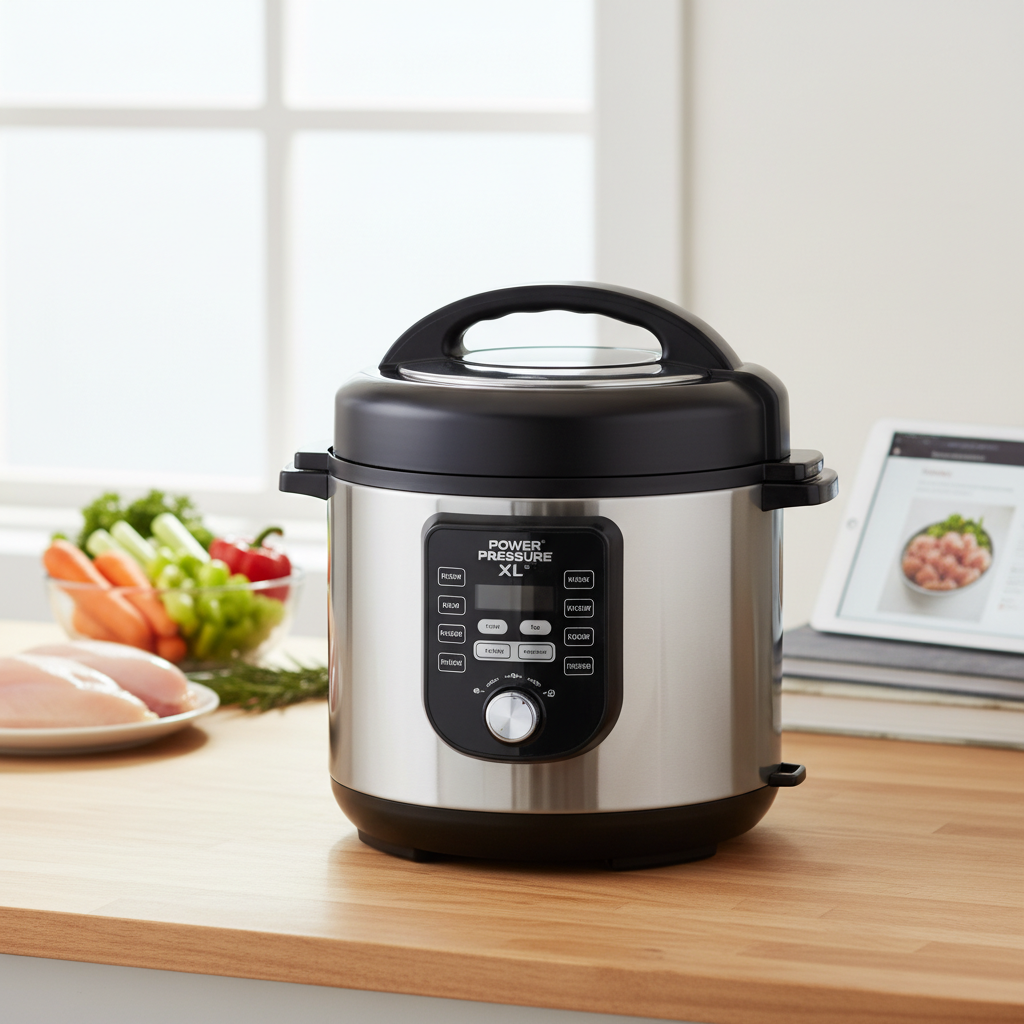
In the dynamic world of culinary technology, electric pressure cookers have revolutionized how we approach meal preparation, offering unparalleled speed and efficiency. However, navigating the specifications, particularly pressure levels measured in Pounds per Square Inch (PSI), can be a perplexing task for even seasoned home cooks. Understanding the fundamental differences between 10 PSI and 15 PSI models is crucial for optimizing cooking results, ensuring food safety, and making an informed purchasing decision that aligns with your kitchen needs. This guide delves into the science and practical applications of these distinct pressure settings, helping you unlock the full potential of your electric pressure cooker.
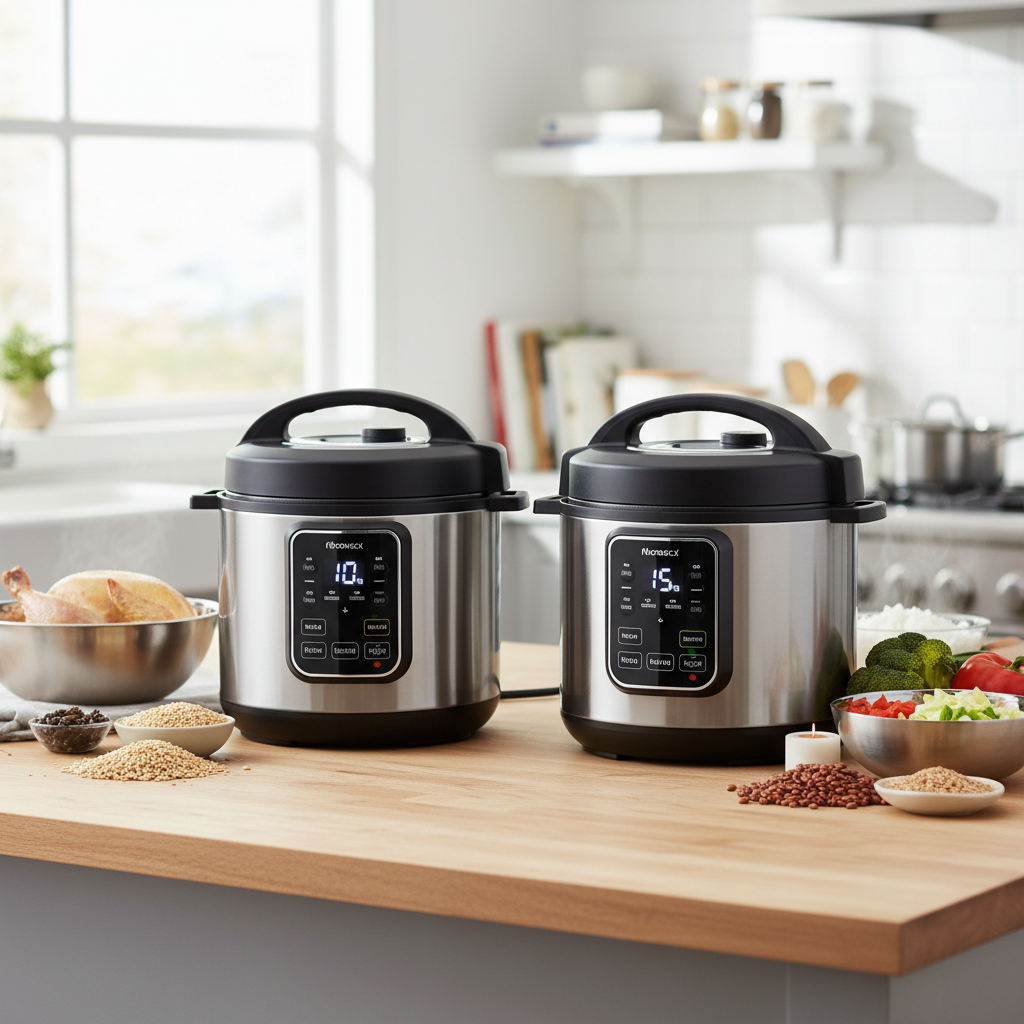
Understanding Pressure Levels: The Science Behind the Speed
Pressure cooking works on a simple yet ingenious principle: by trapping steam within a sealed environment, the boiling point of water is significantly elevated above its usual 212°F (100°C) at sea level. This increase in temperature accelerates the cooking process, tenderizing tough foods and infusing flavors more rapidly. The PSI rating indicates the internal pressure generated within the cooker, directly correlating to the cooking temperature achieved and, consequently, the speed of cooking. Higher PSI means a hotter internal environment and quicker culinary transformations.
10 PSI Pressure Cookers: Your Everyday Culinary Companion
Electric pressure cookers commonly operate at a high-pressure setting of approximately 10 to 12 PSI, though some models may reach up to 12.5 PSI. This pressure level corresponds to internal temperatures ranging from about 239°F to 245°F (115°C to 118°C).
Advantages:
- Gentler Cooking: The slightly lower temperature and pressure make 10 PSI ideal for more delicate ingredients. Foods prone to overcooking or developing an undesirable texture at higher pressures, such as fish, vegetables, and certain grains like rice, benefit from this gentler approach.
- Widely Available: Most standard electric pressure cookers, including popular multi-cookers, offer a high-pressure setting within this range, making them accessible and user-friendly for daily cooking tasks.
- Reduced Splatter Risk: For starchy foods that can foam and splatter, the 10 PSI setting is often more suitable, preventing potential issues during the cooking cycle.
|
Our Picks for the Best Electric pressure cooker in 2026
As an Amazon Associate I earn from qualifying purchases.
|
||
| Num | Product | Action |
|---|---|---|
| 1 | Sweetcrispy 16-in-1 Electric Pressure Cooker 6QT, 12-Preset Multi Cookers with Ceramic Pot, Slow Cook Rice Steamer Sauté Soup Yogurt Maker and More, Recipe Book |

|
| 2 | Sweetcrispy 16-in-1 Electric Pressure Cooker 6QT, 12-Preset Multi Cookers with Ceramic Pot, Slow Cook Rice Steamer Sauté Soup Yogurt Maker and More, Recipe Book |
|
| 3 | Ninja HyperHeat 9-in-1 6.5-qt Pressure Cooker | Steams, Slow Cooks, Sears, Sautés, Sous Vide, Yogurt & More | With SimpliServe Pot | Powerful 1200-Watt | Blue Macaron | PC201 |
|
| 4 | Instant Pot Duo 7-in-1 Electric Pressure Cooker, Slow Cooker, Rice, Steamer, Sauté, Yogurt Maker, Warmer & Sterilizer, Includes App With Over 800 Recipes, Stainless Steel, 6 Quart |
|
| 5 | NEWBULIG 16-in-1 Electric Pressure Cooker, 6QT Multi Cooker with 12 Presets, Slow Cook Rice Steamer Sauté Soup Meat Stew Canning Yogurt Maker, Ceramic Inner Pot & Recipe Book Included, Silver |
|
| 6 | Instant Pot Duo 7-in-1 Electric Pressure Cooker, Slow Cooker, Rice Cooker, Steamer, Sauté, Yogurt Maker, Warmer & Sterilizer, Includes App with Over 800 Recipes, Stainless Steel, 8 Quart |
|
| 7 | DUMOS 16-in-1 Electric Pressure Cooker, 6QT Programmable Multi Cooker with 12 One-Touch Presets, Soup Steam Yogurt and More, Ceramic Inner Pot Delay Start & Keep Warm, Includes Recipe Guide, Black |
|
| 8 | Midea 12-in-1 Electric Pressure Cooker, 8 Quarts, 12 Presets, Multi-Functional Programmable Slow Cooker, Rice Cooker, Steamer, Sauté Pan, Yogurt Maker, and More, Stainless Steel |
|
| 9 | Instant Pot Duo 7-in-1 Mini Electric Pressure Cooker, Slow Rice Cooker, Steamer, Sauté, Yogurt Maker, Warmer & Sterilizer, Includes Free App with over 1900 Recipes, Stainless Steel, 3 Quart |
|
| 10 | COSORI Pressure Cooker 6QT, Stainless Steel, 9-in-1 Multi Cooker, 12 Safety Features, Ceramic Inner Pot, Rice, Slow Cook, Sous Vide, Saute, 1100W |
|
Disadvantages:
- Slower Cooking Time: Compared to a 15 PSI setting, cooking at 10 PSI will generally take longer. Recipes specifically designed for 15 PSI may require an increase of approximately 50% in cooking time when prepared at 10 PSI.
- Not Ideal for All Tasks: For extremely tough cuts of meat or certain preservation methods like canning, 10 PSI may not provide the necessary heat and speed for optimal results or food safety.
Best For:
10 PSI cookers excel at everyday meals, perfect for succulent chicken, tender vegetables, perfectly cooked rice, flavorful soups, and stews. They are also a great choice for new pressure cooker users due to their commonality and versatility.
15 PSI Pressure Cookers: The Powerhouse for Efficiency and Special Tasks
Historically, 15 PSI has been the standard for stovetop pressure cookers and is considered the “high” setting for many traditional recipes. This pressure level achieves a higher internal temperature, typically around 250°F (121°C). While less common as a true, consistent setting in all electric pressure cookers, some high-end electric models are engineered to reach and maintain this level.
Advantages:
- Fastest Cooking: The primary benefit of 15 PSI is its superior speed. The elevated temperature dramatically reduces cooking times, making it the go-to for quickly preparing meals, especially for ingredients that require extensive cooking.
- Optimal for Tough Foods: This higher pressure is particularly effective at breaking down the tough fibers in dried beans, fibrous vegetables, and large, dense cuts of meat, resulting in incredibly tender outcomes in a fraction of the time.
- Intense Flavor Development: The higher temperatures at 15 PSI can contribute to a more concentrated and intense flavor, especially beneficial for dishes like rich bone broths.
- Canning Standard: For safe home pressure canning of low-acid foods, 15 PSI (or even higher, depending on specific recommendations and altitude) is often the benchmark to ensure the destruction of harmful bacteria spores.
Disadvantages:
- Risk of Overcooking: Delicate foods can easily be overcooked and turn mushy at 15 PSI if cooking times are not precisely controlled.
- Less Common in Electric Models: While some premium electric pressure cookers offer true 15 PSI, many standard electric models reach a maximum of 10-12 PSI on their “high” setting, which can be a point of confusion for consumers expecting stovetop-level pressure.
- Safety Considerations: Operating at higher pressures demands robust safety features and careful adherence to instructions.
Best For:
15 PSI cookers are ideal for individuals who prioritize the fastest cooking times, regularly prepare tough cuts of meat or dried legumes, and especially for those involved in pressure canning low-acid foods.
Comparison: 10 PSI vs. 15 PSI Pressure Levels
| Feature | 10 PSI Electric Pressure Cookers (Typical “High”) | 15 PSI Pressure Cookers (Stovetop Standard/High-End Electric) |
|---|---|---|
| Approx. Temp. | 239°F – 245°F (115°C – 118°C) | 250°F (121°C) |
| Cooking Speed | Moderate; recipes may need 50% longer than 15 PSI recipes | Fastest cooking times; standard for most recipes |
| Best For | Rice, delicate vegetables, fish, chicken, everyday meals | Tough meats, dried beans, bone broth, pressure canning |
| Canning | Generally not recommended for safe pressure canning of low-acid foods; consult NCHFP guidelines | Standard for safe pressure canning of low-acid foods (with altitude adjustments) |
| Common Type | Most modern electric multi-cookers | Traditional stovetop pressure cookers, some premium electric models |
The Critical Role of PSI in Pressure Canning
For those interested in home food preservation, the pressure level of your cooker is not just about speed; it’s about safety. Pressure canning is the only safe method for preserving low-acid foods such as vegetables, meats, and seafood. This is because these foods can harbor Clostridium botulinum spores, which produce a deadly toxin if not destroyed by temperatures higher than the boiling point of water at sea level (212°F/100°C).
To achieve the necessary temperatures for destroying these spores, a pressure of 15 PSI is traditionally recommended for weighted gauge canners at altitudes up to 1,000 feet. However, the National Center for Home Food Preservation (NCHFP) sometimes suggests even higher pressures, up to 20 PSI, to ensure sufficient temperatures are reached. It’s crucial to consult USDA-approved canning guidelines and adjust pressure based on your specific altitude. For example, at altitudes above 1,000 feet, the required pressure for canning increases.
It’s important to note that many electric pressure cookers, despite having a “pressure cook” function, may not reach or consistently maintain the necessary 15 PSI for safe pressure canning. Their high-pressure settings often hover around 10-12 PSI, which is generally insufficient for low-acid food canning. Dedicated pressure canners, typically stovetop models, are specifically designed to safely handle the pressures and temperatures required for canning.
Choosing the Right Pressure Level for Your Kitchen
Deciding between a pressure cooker that operates at 10 PSI or 15 PSI largely depends on your cooking habits and priorities:
- For Everyday Versatility: If you primarily cook a variety of meals, including rice, poultry, vegetables, and lighter stews, and appreciate the convenience of an electric multi-cooker, a model with a 10-12 PSI high-pressure setting will likely serve you well. Most common recipes are adaptable to these settings, often requiring only slight adjustments to cooking times.
- For Maximum Speed and Tough Foods: If you frequently prepare tough cuts of meat, dried beans from scratch, or aim for the absolute fastest cooking times, a true 15 PSI stovetop pressure cooker or a high-end electric model capable of sustaining 15 PSI would be a more suitable choice.
- For Home Canning: If pressure canning low-acid foods is a priority, invest in a dedicated pressure canner that can reliably reach and maintain 15 PSI or higher, with appropriate altitude adjustments. Do not rely on standard electric pressure cookers for this critical task unless explicitly certified and recommended by official canning authorities.
Ultimately, the best pressure level is one that matches your culinary aspirations and ensures both delicious results and safe food preparation.
Conclusion
The distinction between 10 PSI and 15 PSI pressure levels in electric pressure cookers might seem subtle, but it significantly impacts cooking speed, food texture, and most importantly, food safety, particularly for canning. While 10 PSI offers a versatile and gentler approach for everyday meals, 15 PSI delivers unparalleled speed and is essential for safely preserving low-acid foods. As you explore the possibilities of pressure cooking, remember that understanding your appliance’s pressure capabilities is key to unlocking its full potential and ensuring consistently excellent results. Which pressure level will best serve your culinary journey?
Frequently Asked Questions
Is 10 PSI sufficient for all pressure cooking?
For most everyday cooking, 10 PSI is sufficient and effective for a wide range of foods like rice, vegetables, and many meats. However, it will cook slower than 15 PSI, and may not be hot enough for safe pressure canning of low-acid foods.
How much faster is 15 PSI compared to 10 PSI?
Cooking at 15 PSI is significantly faster than at 10 PSI. Recipes designed for 15 PSI may take approximately 50% longer to cook at 10 PSI. This difference in pressure translates to higher temperatures, accelerating the breakdown of food fibers.
Can I use an electric pressure cooker for canning?
Most standard electric pressure cookers (which typically reach 10-12 PSI) are generally not recommended for safe pressure canning of low-acid foods. For canning, a dedicated pressure canner that consistently reaches and maintains 15 PSI or higher, with altitude adjustments, is required for food safety.
Does altitude affect pressure cooking PSI?
Yes, altitude affects the effective temperature achieved at a given PSI. As altitude increases, the boiling point of water decreases, meaning you may need to increase the PSI in your pressure cooker or canner to achieve the same cooking temperature or safety level, especially for canning.
What types of foods benefit most from 15 PSI?
Foods that benefit most from 15 PSI include tough cuts of meat, dried beans, and ingredients requiring long cooking times to become tender. This higher pressure and temperature ensure faster cooking and can also help develop richer, more concentrated flavors.