In the evolving landscape of kitchen technology, the electric pressure cooker stands out as a true game-changer, revolutionizing meal preparation for countless households. Yet, beneath the gleaming exteriors and intelligent features, a critical component often goes unnoticed: the inner pot material. As we approach 2026, a growing conversation centers on the suitability of aluminium inner pots, prompting many to re-evaluate their kitchen choices for both health and performance. This article delves into the crucial reasons why consumers are increasingly opting away from aluminium, exploring the potential drawbacks, offering superior alternatives, and guiding you toward a safer, more efficient cooking experience.
Understanding Aluminium Inner Pots in Electric Pressure Cookers
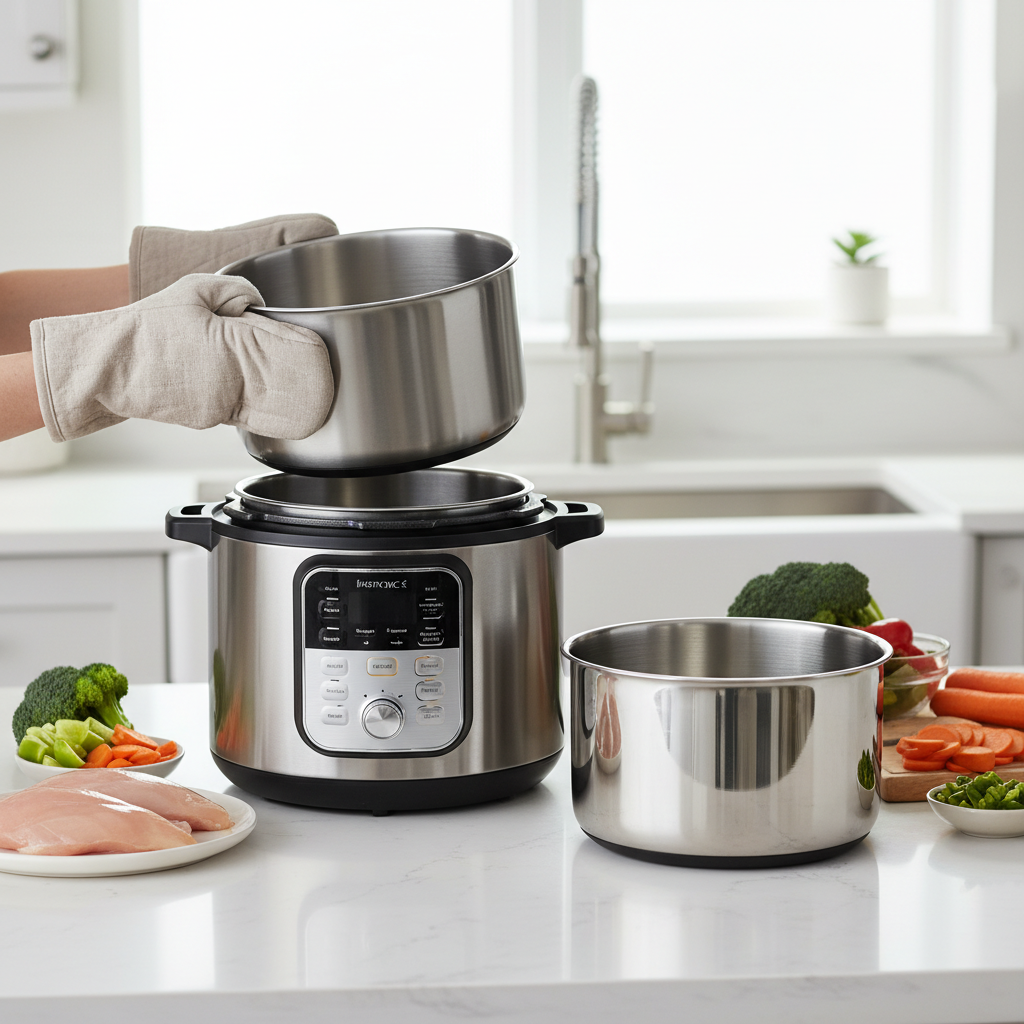
Aluminium has historically been a popular material for cookware, including inner pots for electric pressure cookers, primarily due to its excellent heat conductivity and cost-effectiveness. It heats up quickly and distributes heat evenly, which are desirable traits for efficient cooking. Its lightweight nature also makes it easy to handle. For decades, many standard and even some entry-level electric pressure cooker models have featured aluminium inner pots, making them a common sight in kitchens worldwide.
The Core Concerns: Why Rethink Aluminium?
While aluminium offers certain practical advantages, significant concerns arise regarding its use, especially in the high-pressure, high-temperature environment of an electric pressure cooker. These concerns primarily revolve around potential health implications, durability issues, and impacts on food quality. Understanding these drawbacks is crucial for making an informed decision about your cookware.
Health Implications: The Leaching Debate
One of the foremost concerns with aluminium inner pots is the potential for metal leaching into your food. Aluminium is a reactive metal, and when exposed to certain conditions, it can dissolve and contaminate the ingredients being cooked.
- Reactivity with Foods: Acidic foods like tomatoes, citrus fruits, vinegars, and yogurts, as well as highly alkaline ingredients, can accelerate the leaching process. The extended cooking times often associated with electric pressure cooking further exacerbate this, as the prolonged contact at high temperatures increases the likelihood of aluminium migration. Even subtle changes to the pH balance within the pot can trigger this chemical interaction.
- Potential Neurological Links: While regulatory bodies like the FDA and WHO generally state that the amount of aluminium leached from cookware is usually within safe dietary limits for most healthy individuals, studies have suggested a possible link between very high, prolonged exposure to aluminium and neurological conditions, notably Alzheimer’s disease. Although a direct causal link is still under extensive research and debate, many consumers prefer to err on the side of caution, especially given the availability of non-reactive alternatives. Your body’s ability to process and eliminate aluminium depends heavily on healthy kidney and liver function; for individuals with impaired function, even small increases in intake could be a concern.
- Subtle Taste Alteration: Beyond health concerns, leached aluminium can also subtly alter the taste of food, imparting a metallic tang that can detract from the intended flavor profile. This is particularly noticeable in delicate dishes or those relying on fresh, vibrant ingredients.
|
Our Picks for the Best Electric pressure cooker in 2026
As an Amazon Associate I earn from qualifying purchases.
|
||
| Num | Product | Action |
|---|---|---|
| 1 | Instant Pot Duo 7-in-1 Electric Pressure Cooker, Slow Cooker, Rice Cooker, Steamer, Sauté, Yogurt Maker, Warmer & Sterilizer, Includes App with Over 800 Recipes, Stainless Steel, 8 Quart |

|
| 2 | Instant Pot Duo 7-in-1 Mini Electric Pressure Cooker, Slow Rice Cooker, Steamer, Sauté, Yogurt Maker, Warmer & Sterilizer, Includes Free App with over 1900 Recipes, Stainless Steel, 3 Quart |
|
| 3 | NEWBULIG 16-in-1 Electric Pressure Cooker, 6QT Multi Cooker with 12 Presets, Slow Cook Rice Steamer Sauté Soup Meat Stew Canning Yogurt Maker, Ceramic Inner Pot & Recipe Book Included, Silver |
|
| 4 | Midea 12-in-1 Electric Pressure Cooker, 8 Quarts, 12 Presets, Multi-Functional Programmable Slow Cooker, Rice Cooker, Steamer, Sauté Pan, Yogurt Maker, and More, Stainless Steel |
|
| 5 | Sweetcrispy 16-in-1 Electric Pressure Cooker 6QT, 12-Preset Multi Cookers with Ceramic Pot, Slow Cook Rice Steamer Sauté Soup Yogurt Maker and More, Recipe Book |
|
| 6 | Sweetcrispy 16-in-1 Electric Pressure Cooker 6QT, 12-Preset Multi Cookers with Ceramic Pot, Slow Cook Rice Steamer Sauté Soup Yogurt Maker and More, Recipe Book |
|
| 7 | DUMOS 16-in-1 Electric Pressure Cooker, 6QT Programmable Multi Cooker with 12 One-Touch Presets, Soup Steam Yogurt and More, Ceramic Inner Pot Delay Start & Keep Warm, Includes Recipe Guide, Black |
|
| 8 | Instant Pot Duo 7-in-1 Electric Pressure Cooker, Slow Cooker, Rice, Steamer, Sauté, Yogurt Maker, Warmer & Sterilizer, Includes App With Over 800 Recipes, Stainless Steel, 6 Quart |
|
| 9 | COSORI Pressure Cooker 6QT, Stainless Steel, 9-in-1 Multi Cooker, 12 Safety Features, Ceramic Inner Pot, Rice, Slow Cook, Sous Vide, Saute, 1100W |
|
| 10 | Ninja HyperHeat 9-in-1 6.5-qt Pressure Cooker | Steams, Slow Cooks, Sears, Sautés, Sous Vide, Yogurt & More | With SimpliServe Pot | Powerful 1200-Watt | Blue Macaron | PC201 |
|
“While the immediate risks of typical aluminium cookware use are often deemed low, the cumulative effect of dietary aluminium over a lifetime, especially when paired with highly reactive foods, merits a cautious approach for those prioritizing long-term health.” – Dr. Evelyn Reed, Food Safety Specialist
Durability and Performance Downsides
Beyond health considerations, aluminium inner pots often fall short when it comes to durability and long-term performance compared to other materials.
- Softer Metal: Aluminium is a relatively soft metal, making it susceptible to scratches, dents, and warping, particularly under the stress of high-pressure cooking and vigorous cleaning. Scratches not only compromise the aesthetic appeal but also expose more raw aluminium surface area, potentially increasing leaching.
- Discoloration and Staining: Aluminium pots are prone to discoloration and staining over time, especially with certain foods. This can make them look worn and unappealing, even if functionally sound. Maintaining their original appearance requires meticulous cleaning and care, which can be burdensome for daily use.
- Reduced Longevity: Due to their softer nature and susceptibility to damage, aluminium inner pots generally have a shorter lifespan than those made from more robust materials like stainless steel. This can lead to more frequent replacements, negating any initial cost savings.
Not All Aluminium Is Equal: The Anodized Difference
It’s important to distinguish between raw aluminium and anodized aluminium. Anodization is an electrochemical process that creates a thick, hard, non-reactive layer on the surface of the aluminium. This layer significantly reduces the likelihood of leaching and makes the pot more durable and scratch-resistant.
- Enhanced Safety: Anodized aluminium is generally considered a safer alternative to raw aluminium as the surface barrier prevents direct contact between food and the reactive metal. It behaves more like a non-stick or ceramic surface in terms of reactivity.
- Improved Durability: The hardened surface also offers better resistance against scratches, dents, and corrosion, contributing to a longer lifespan for the inner pot.
- Caution with Damage: Despite its advantages, it’s still crucial to inspect anodized aluminium pots for any signs of damage, such as deep scratches or chipping. If the anodized layer is compromised, the underlying reactive aluminium can be exposed, reintroducing the concerns associated with raw aluminium.
Superior Alternatives for Your Electric Pressure Cooker
Given the considerations surrounding aluminium, many consumers are turning to alternative materials for their electric pressure cooker inner pots. These options offer enhanced safety, durability, and often superior cooking performance.
Stainless Steel Inner Pots
Stainless steel is widely regarded as the gold standard for cookware due to its exceptional properties, making it an excellent choice for electric pressure cooker inner pots.
- Non-Reactive: Stainless steel is largely non-reactive with food, meaning it won’t leach metals or alter the taste of your dishes, even with highly acidic ingredients or prolonged cooking times. This ensures the purity of your food’s flavor.
- Exceptional Durability: Known for its robustness, stainless steel is highly resistant to dents, scratches, rust, and corrosion. An adequately maintained stainless steel inner pot can last for many years, offering excellent value.
- Easy to Clean: The smooth, non-porous surface of stainless steel makes it incredibly easy to clean. Most stainless steel inner pots are also dishwasher safe, adding to their convenience.
- Even Heating (Multi-ply): While not as naturally conductive as aluminium, high-quality stainless steel inner pots often feature a multi-ply construction (e.g., a copper or aluminium core bonded between layers of stainless steel) to ensure excellent and even heat distribution.
Ceramic or Non-Stick Coated Inner Pots
These options provide convenience through their non-stick properties, which are particularly appealing for certain dishes.
- Excellent Non-Stick Properties: Food releases easily, making cooking and cleaning a breeze. This is especially beneficial for dishes prone to sticking, like rice or stews.
- Even Browning: Modern non-stick and ceramic coatings are designed to offer even heating and browning, contributing to consistent cooking results.
- Considerations for Coatings: The primary drawback of coated pots lies in the durability of the coating itself. Scratches or degradation of the non-stick layer can expose the base metal and, in some older or lower-quality coatings, raise concerns about the release of potentially harmful chemicals. Always choose PFOA-free and PTFE-free coatings, and avoid abrasive cleaning or metal utensils to preserve the coating’s integrity.
Types of Electric Pressure Cookers and Their Inner Pot Considerations
Electric pressure cookers come in various forms, each offering different features and often utilizing different inner pot materials to match their design and price point. Understanding these types can help in choosing one that aligns with your preferences and safety priorities.
Mechanical Electric Pressure Cookers
These are typically entry-level models, characterized by their simplicity and manual controls.
- Pros: Generally the most affordable option, simple to operate with a dial or a few basic buttons.
- Cons: Limited pre-set programs, less precise control over pressure and temperature, often come with basic aluminium inner pots due to cost-effectiveness.
- Best for: Individuals new to pressure cooking, those on a tight budget, or users who prefer straightforward operation for simple recipes. When considering these, actively seek models that specify stainless steel inner pots.
Digital Electric Pressure Cookers
Representing a significant step up, digital models offer a wider array of functions and programmable features.
- Pros: Multiple pre-set cooking programs (e.g., rice, soup, stew, beans), delayed start, keep-warm functions, and precise digital controls. These features enhance convenience and versatility.
- Cons: Higher price point than mechanical models, and the increased complexity might require a short learning curve for new users.
- Best for: Busy individuals, those who enjoy diverse cooking and require specific settings for various dishes. These models frequently feature high-quality stainless steel or robust non-stick/ceramic-coated inner pots, reflecting their premium positioning.
Multi-functional Electric Pressure Cookers
These appliances are designed to replace several kitchen gadgets, offering the most comprehensive cooking capabilities.
- Pros: Combine the functions of a pressure cooker with other appliances like air fryers, slow cookers, rice cookers, yogurt makers, and even dehydrators. They are ideal for saving space and expanding culinary possibilities.
- Cons: The highest price tag among electric pressure cookers and typically have a larger footprint on the counter.
- Best for: Families with limited kitchen space who desire a single appliance for a wide range of cooking tasks, and those who prioritize maximum convenience and versatility. Given their advanced nature, these usually come equipped with top-tier stainless steel or durable ceramic-coated inner pots.
Best Electric Pressure Cooker Models: Focus on Inner Pot Materials
When investing in an electric pressure cooker, the inner pot material should be a primary consideration, influencing both safety and durability. Here’s a comparative look at popular models, highlighting their inner pot materials.
| Brand | Model | Capacity | Power | Key Features | Estimated Price | Inner Pot Material Note |
|---|---|---|---|---|---|---|
| Instant Pot | Duo Plus 6 Quart | 6 Quart | 1000W | 9-in-1 functions (pressure cook, slow cook, rice cooker, yogurt maker, sauté, steamer, sous vide, sterilizer, food warmer), 15 smart programs. | $120-150 | High-quality Stainless Steel |
| Ninja | Foodi 8 Quart 11-in-1 | 8 Quart | 1760W | Pressure cooker, air fryer, tender crisp technology, 11 cooking functions, large capacity. | $200-250 | Ceramic-Coated Nonstick |
| Cuisinart | CPC-600N1 6 Quart | 6 Quart | 1000W | Push-button controls, precise temperature and pressure settings, easy-to-use dial, low and high pressure options. | $90-110 | Stainless Steel |
| Crock-Pot | Express Crock 6 Quart | 6 Quart | 1000W | 8 one-touch meal settings, delay timer, keep warm, digital display, easy release steam dial. | $80-100 | Non-stick Coated |
| Breville | Fast Slow Pro 6 Quart | 6 Quart | 1100W | LCD screen, 11 pressure cook settings, dual sensors for precise temperature control, steam release button. | $250-300 | Non-stick Coated (PFOA-free) |
Guide to Choosing Your Electric Pressure Cooker (Buying Guide)
Selecting the ideal electric pressure cooker involves more than just picking a brand; it’s about aligning the appliance with your lifestyle, cooking habits, and safety preferences. Paying close attention to the inner pot material is paramount for long-term satisfaction and health.
Determine Your Usage Needs
Before diving into features, consider how you intend to use the appliance. Your family size, cooking frequency, and preferred types of dishes will heavily influence the best choice.
- Family Size: A 3-quart pot is suitable for 1-2 people, a 6-quart is ideal for 3-5 people, and an 8-quart or larger is best for big families or batch cooking.
- Cooking Frequency: Daily cooks might prioritize extreme durability and ease of cleaning, while occasional users might be content with simpler, more affordable models.
- Common Dishes: If you frequently cook acidic stews or tomato-based sauces, a non-reactive inner pot like stainless steel is a must. For dishes like rice or oatmeal, a non-stick surface might be highly desirable.
Key Criteria for Selection
Focus on these essential criteria to ensure you pick a pressure cooker that meets your expectations for both performance and safety.
- Capacity: As mentioned, choose a capacity that comfortably accommodates your family’s size and cooking volume without overfilling, which can be unsafe.
- Power (Wattage): Higher wattage generally means faster heating and quicker pressure build-up, reducing overall cooking time. Look for 1000W or more for efficient cooking.
- Inner Pot Material: This is where the aluminium discussion becomes critical. Prioritize stainless steel for its non-reactivity, durability, and ease of cleaning. If you opt for coated pots, ensure they are PFOA-free and PTFE-free, and check reviews for coating longevity. Actively avoid basic, uncoated aluminium.
- Features: Modern electric pressure cookers offer a plethora of features, from simple one-touch programs to advanced Wi-Fi connectivity. Decide which features genuinely enhance your cooking experience and which are unnecessary extras. Auto-keep-warm, delayed start, and multiple pressure settings are highly valued.
- Brand Reputation: Stick to reputable brands known for their safety standards, product quality, and reliable customer support. Good warranty terms are also a positive indicator of product confidence.
- Price: While aluminium pots might be cheaper upfront, consider the long-term value. Investing in a higher-quality inner pot material might mean a slightly higher initial cost but offers greater peace of mind and durability over time.
Important Usage Tips
Proper use and maintenance are crucial for the longevity and safe operation of any electric pressure cooker, regardless of its inner pot material.
- Read the Manual Thoroughly: Before your first use, always read the manufacturer’s instructions carefully. This covers everything from initial setup to specific safety mechanisms.
- Observe Fill Lines: Never exceed the maximum fill line to ensure safe pressure build-up and prevent overflows, especially with foaming foods.
- Regular Cleaning: Clean your inner pot after every use. For stainless steel, gentle scrubbing is fine. For coated pots, use soft sponges and non-abrasive cleaners to protect the non-stick surface.
- Check Safety Valves: Always inspect the pressure release valve and float valve before each use to ensure they are clear of any food debris and functioning correctly. A blocked valve can lead to safety hazards.
Conclusion
As kitchen technology continues to advance, our understanding of material science and its impact on health and durability evolves. While aluminium inner pots have served a purpose in the past, the mounting evidence regarding potential leaching, limited durability, and superior alternatives makes a strong case for reconsideration in 2026. Prioritizing stainless steel or high-quality anodized/ceramic-coated inner pots in your electric pressure cooker ensures not only greater peace of mind regarding food safety but also promises a more durable and enjoyable cooking experience. Investing in a thoughtfully designed appliance with the right inner pot material means investing in the health and efficiency of your home kitchen. What considerations are most important to you when choosing kitchen cookware?
Frequently Asked Questions
Is it really dangerous to cook in aluminium inner pots?
While health organizations generally state that the amount of aluminium leaching into food from typical cookware use is minimal and within safe limits for most healthy individuals, prolonged cooking of acidic or alkaline foods in raw aluminium pots can increase leaching. Concerns exist regarding very high, long-term exposure and potential links to neurological health, prompting many to choose non-reactive materials like stainless steel for caution.
How can I tell if my electric pressure cooker has an aluminium inner pot?
Most manufacturers clearly state the inner pot material in the product specifications. If not, raw aluminium pots are typically lighter, softer, and may show dull graying or pitting over time, especially after cooking acidic foods. Stainless steel pots are heavier, shinier, and generally resist discoloration. Anodized aluminium will have a harder, darker, non-stick-like surface.
What are the main benefits of stainless steel inner pots over aluminium?
Stainless steel inner pots are highly preferred because they are non-reactive, meaning they will not leach metals into food or alter its taste. They are also significantly more durable, resistant to scratches, dents, and corrosion, offering a much longer lifespan and easier maintenance compared to aluminium.
Can anodized aluminium inner pots be scratched, and what happens if they are?
Yes, even anodized aluminium can be scratched if harsh abrasives or metal utensils are used. If the anodized layer is compromised, the underlying reactive aluminium can be exposed to food, reintroducing the concerns about leaching. It’s best to use silicone or wooden utensils and gentle cleaning methods to preserve the coating.
Are non-stick coated inner pots a better alternative to aluminium?
Non-stick coated inner pots offer convenience for easy food release and cleaning. When choosing, prioritize high-quality, PFOA-free and PTFE-free coatings for health and durability. They can be a good alternative, provided the coating remains intact and is not scratched or degraded, as damaged coatings can pose their own set of concerns.