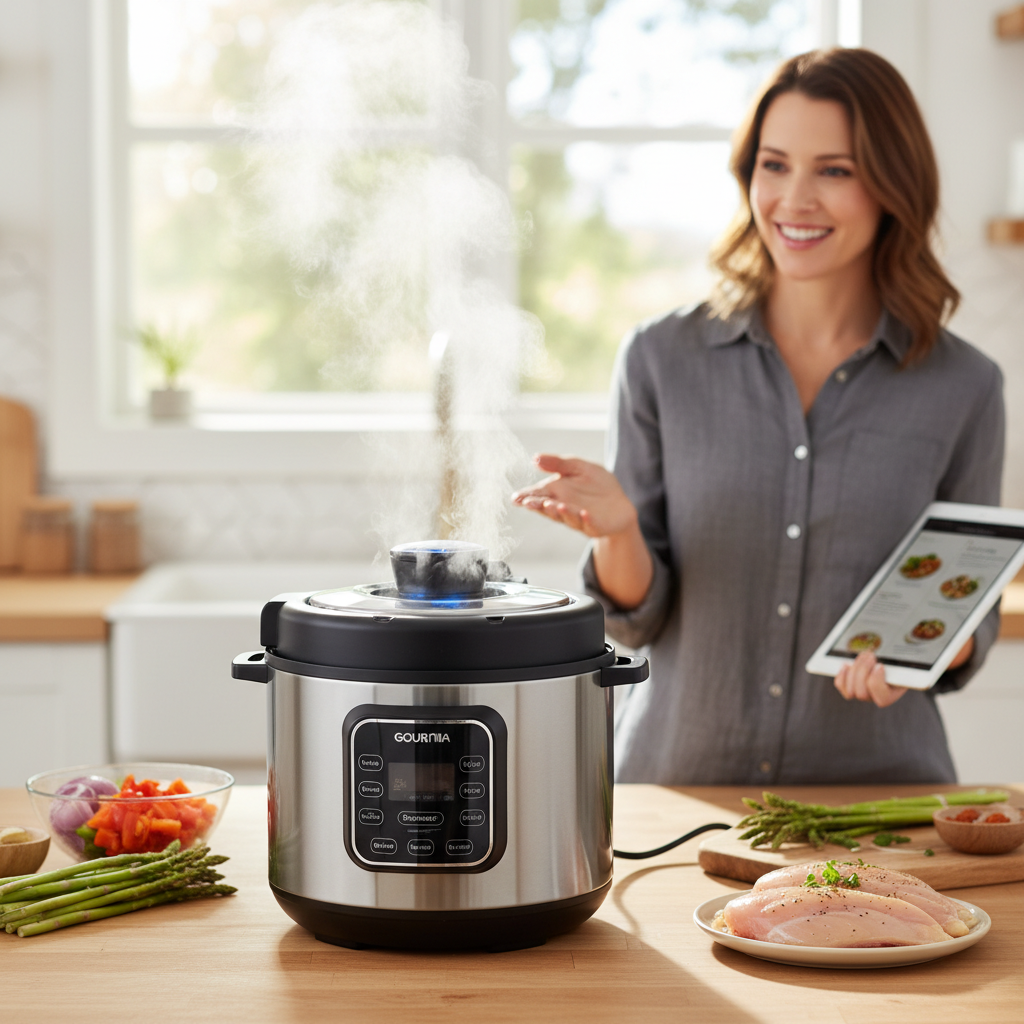
Choosing the right inner pot for your electric pressure cooker is more than just a minor detail; it fundamentally impacts your cooking experience, the quality of your meals, and the longevity of your appliance. As electric pressure cookers have become indispensable kitchen tools, the debate between stainless steel and non-stick inner pots continues to be a central point for home cooks. Both materials offer distinct advantages and drawbacks, making the decision a personal one based on cooking habits, health priorities, and maintenance preferences. This comprehensive guide will delve into the characteristics of each, helping you navigate the options to select the perfect inner pot for your culinary adventures.
Understanding Electric Pressure Cooker Inner Pots
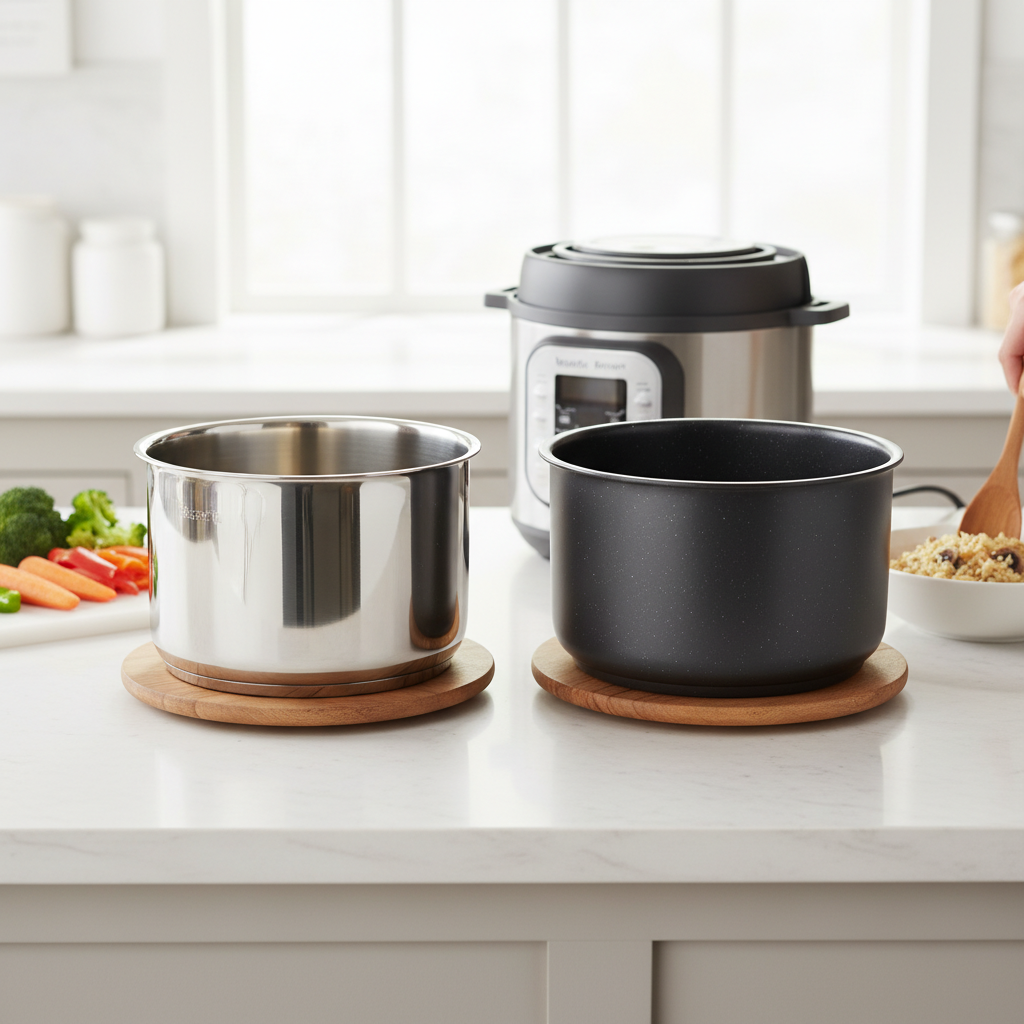
The inner pot is the heart of your electric pressure cooker, the vessel where all the magic happens. It’s crucial not only for holding your ingredients but also for distributing heat, preventing sticking, and ensuring safe pressure cooking. Modern electric pressure cookers primarily feature either stainless steel or non-stick coated inner pots. Each material brings a unique set of properties to the table, influencing everything from how well your food browns to how easily you can clean up after a meal. Understanding these foundational differences is the first step toward making an informed choice for your kitchen.
Stainless Steel Inner Pots: Durability and Performance
Stainless steel inner pots are celebrated for their robust construction and long-term reliability, making them a favorite among many cooking enthusiasts. Typically made from food-grade stainless steel, often 18/8 or 18/10, these pots offer a chemical-free cooking surface that stands the test of time [cite: 1-search-1, 2].
Advantages
- Longevity and Durability: Stainless steel is incredibly tough, resistant to scratches, dents, and corrosion, ensuring your pot can withstand years of rigorous use. It’s a true workhorse designed to last.
- Non-Reactive Surface: Unlike some other metals, stainless steel does not react with acidic ingredients like tomatoes or vinegar, preserving the true flavor of your food and preventing metallic tastes. This non-reactive quality also means no harmful chemicals will leach into your meals.
- Superior Searing and Browning: For recipes requiring a rich crust or deep flavor development, stainless steel excels. Its surface allows for excellent searing and browning of meats and vegetables, which is crucial for building complex flavors through deglazing.
- Ease of Maintenance and Health: Stainless steel pots are typically dishwasher safe, allowing for thorough cleaning. For stubborn stuck-on food, they can be scrubbed vigorously with abrasive cleaners like Barkeeper’s Friend without damage, ensuring a hygienic cooking surface. There are no concerns about coatings flaking off into your food, offering peace of mind for health-conscious cooks.
|
Our Picks for the Best Electric pressure cooker in 2026
As an Amazon Associate I earn from qualifying purchases.
|
||
| Num | Product | Action |
|---|---|---|
| 1 | Instant Pot Duo 7-in-1 Electric Pressure Cooker, Slow Cooker, Rice Cooker, Steamer, Sauté, Yogurt Maker, Warmer & Sterilizer, Includes App with Over 800 Recipes, Stainless Steel, 8 Quart |

|
| 2 | Midea 12-in-1 Electric Pressure Cooker, 8 Quarts, 12 Presets, Multi-Functional Programmable Slow Cooker, Rice Cooker, Steamer, Sauté Pan, Yogurt Maker, and More, Stainless Steel |
|
| 3 | Sweetcrispy 16-in-1 Electric Pressure Cooker 6QT, 12-Preset Multi Cookers with Ceramic Pot, Slow Cook Rice Steamer Sauté Soup Yogurt Maker and More, Recipe Book |
|
| 4 | Ninja HyperHeat 9-in-1 6.5-qt Pressure Cooker | Steams, Slow Cooks, Sears, Sautés, Sous Vide, Yogurt & More | With SimpliServe Pot | Powerful 1200-Watt | Blue Macaron | PC201 |
|
| 5 | Instant Pot Duo 7-in-1 Electric Pressure Cooker, Slow Cooker, Rice, Steamer, Sauté, Yogurt Maker, Warmer & Sterilizer, Includes App With Over 800 Recipes, Stainless Steel, 6 Quart |
|
| 6 | NEWBULIG 16-in-1 Electric Pressure Cooker, 6QT Multi Cooker with 12 Presets, Slow Cook Rice Steamer Sauté Soup Meat Stew Canning Yogurt Maker, Ceramic Inner Pot & Recipe Book Included, Silver |
|
| 7 | Sweetcrispy 16-in-1 Electric Pressure Cooker 6QT, 12-Preset Multi Cookers with Ceramic Pot, Slow Cook Rice Steamer Sauté Soup Yogurt Maker and More, Recipe Book |
|
| 8 | COSORI Pressure Cooker 6QT, Stainless Steel, 9-in-1 Multi Cooker, 12 Safety Features, Ceramic Inner Pot, Rice, Slow Cook, Sous Vide, Saute, 1100W |
|
| 9 | DUMOS 16-in-1 Electric Pressure Cooker, 6QT Programmable Multi Cooker with 12 One-Touch Presets, Soup Steam Yogurt and More, Ceramic Inner Pot Delay Start & Keep Warm, Includes Recipe Guide, Black |
|
| 10 | Instant Pot Duo 7-in-1 Mini Electric Pressure Cooker, Slow Rice Cooker, Steamer, Sauté, Yogurt Maker, Warmer & Sterilizer, Includes Free App with over 1900 Recipes, Stainless Steel, 3 Quart |
|
Disadvantages
- Food Sticking Potential: Without adequate oil or proper cooking techniques, food can easily stick to a stainless steel surface, which can be frustrating. This is particularly noticeable with dishes like rice or porridge if not prepared carefully.
- Cleaning Challenges (if food sticks): While durable, stuck-on food in a stainless steel pot can require more effort to clean, often needing soaking or vigorous scrubbing to remove completely.
- Heat Distribution Considerations: Stainless steel alone is not the best conductor of heat. Basic stainless steel pots might experience hot spots, but many high-quality pots feature a “tri-ply” or “multi-clad” base with an aluminum core, which significantly improves heat conduction and uniformity [cite: 1-search-1, 3-search-3].
Best Suited For
Stainless steel inner pots are ideal for those who frequently sear meats, cook acidic dishes, and prioritize long-term durability and a chemical-free cooking environment. They are an excellent investment for cooks who value robust performance and are willing to employ proper techniques to prevent sticking.
Non-Stick Inner Pots: Convenience and Easy Cleanup
Non-stick inner pots offer a compelling alternative, primarily appealing to those who prioritize convenience and effortless cleaning. These pots typically feature an aluminum base coated with a non-stick layer, such as PTFE (Teflon) or ceramic [cite: 1-search-3, 1-search-5].
Advantages
- Effortless Food Release: The primary benefit of a non-stick pot is its superior food release. Dishes like rice, stews, or delicate foods slide out easily, minimizing sticking and waste.
- Simplified Cleaning: Cleaning a non-stick pot is often a breeze, usually requiring just a quick wipe or rinse. This saves significant time and effort compared to scrubbing a stuck-on stainless steel pot.
- Healthier Cooking (less oil): The non-stick surface reduces the need for large amounts of cooking oil or fat, supporting low-fat diets and appealing to health-conscious individuals.
- Ideal for Delicate Foods: Non-stick pots excel at cooking delicate items prone to sticking, such as oatmeal, eggs, or cheesy casseroles, ensuring they come out perfectly intact.
Disadvantages
- Durability and Lifespan Concerns: The non-stick coating is less durable than stainless steel and is prone to scratches, chipping, or flaking over time, especially with improper use or cleaning [cite: 1, 3, 1-search-3]. This often means a shorter lifespan for the pot, requiring eventual replacement [cite: 1, 3-search-3].
- Heat Sensitivity and Safety: Non-stick coatings can degrade when exposed to very high temperatures, potentially releasing fumes if overheated (above 500°F/260°C). While most modern non-stick coatings are PFOA-free, concerns about coating degradation persist for some users.
- Limited Browning Ability: Non-stick surfaces are not ideal for achieving a deep, flavorful sear or browning. The properties that prevent sticking also prevent the fond from forming, which is essential for certain recipes [cite: 3-search-3].
- Care and Maintenance Requirements: To prolong its life, a non-stick pot requires gentle handling. Metal utensils should be avoided in favor of wood, silicone, or plastic to prevent scratching the coating. Hand washing is often recommended over dishwashers, and harsh abrasive cleaners should never be used [cite: 1, 3-search-3].
Best Suited For
Non-stick inner pots are excellent for those who prioritize convenience, easy cleanup, and cooking delicate or sticky foods regularly. They are a great choice for beginners or busy individuals seeking a hassle-free cooking experience, provided they are willing to adhere to specific care instructions.
Stainless Steel vs. Non-Stick: A Side-by-Side Comparison
To help you visualize the key differences, here’s a direct comparison of stainless steel and non-stick inner pots:
| Feature | Stainless Steel Inner Pot | Non-Stick Inner Pot |
|---|---|---|
| Material | Food-grade stainless steel (e.g., 18/8 or 18/10 chromium/nickel) | Aluminum base with PTFE (Teflon) or ceramic coating |
| Durability | Highly durable, scratch-resistant, long-lasting | Less durable; coating prone to wear, scratches, chips |
| Food Release | Can stick without sufficient fat and proper technique | Excellent; food rarely sticks, easy release |
| Cleaning | May require soaking or scrubbing for stuck food; dishwasher safe | Very easy; often just wipes clean; hand wash recommended |
| Searing/Browning | Excellent for creating fond and deep flavors | Limited ability to achieve deep browning/searing |
| Health Concerns | None; non-reactive and inert | Potential concerns if coating degrades or flakes; fumes from overheating certain types |
| Maintenance | Dishwasher safe; can use abrasive cleaners for tough spots | Hand wash only; avoid metal utensils and abrasive cleaners |
| Cost | Often higher initial cost | Generally more affordable initially, but may need replacing sooner |
| Typical Use | Searing meats, acidic dishes, large batches, long-term use | Rice, porridge, soups, stews, delicate foods, everyday convenience |
“The choice between stainless steel and non-stick often boils down to a fundamental trade-off: unmatched durability and browning capability versus unparalleled ease of cleanup. Both have their place in the modern kitchen, catering to different cooking styles and priorities.” – Chef Elena Rodriguez, Culinary Expert on Electric Pressure Cooking
Choosing Your Inner Pot: A Buying Guide
Making the right decision for your electric pressure cooker’s inner pot involves more than just a quick glance at prices. Consider these factors to ensure your choice aligns with your cooking lifestyle.
Assess Your Cooking Style and Priorities
- What do you cook most frequently? If you often prepare dishes like rice, oatmeal, or sticky sauces, the convenience of non-stick might appeal more. For searing meats, making robust stews, or acidic recipes, stainless steel is generally superior.
- How important is ease of cleaning versus durability? If you dread scrubbing and prioritize quick cleanup above all else, non-stick is a strong contender. If you want a pot that will last for many years and can handle heavy-duty cleaning, stainless steel is the way to go.
- Are you concerned about non-stick coatings? For those wary of potential chemicals or coating degradation, stainless steel offers a completely inert cooking surface.
Key Factors to Consider
- Material Grade: For stainless steel, look for 18/8 or 18/10 food-grade stainless steel, which indicates a good balance of chromium and nickel for corrosion resistance and durability [cite: 1-search-1].
- Construction: If opting for stainless steel, a “tri-ply” construction (stainless steel layers sandwiching an aluminum core) is highly recommended. This improves heat distribution and minimizes hot spots, compensating for stainless steel’s lower thermal conductivity [cite: 1-search-1].
- Brand Reputation: Stick with reputable brands known for quality electric pressure cookers and accessories.
- Availability of Replacements: Non-stick pots eventually wear out. Ensure that replacement inner pots are readily available for your model, regardless of material, as this can be a crucial factor in the appliance’s overall lifespan [cite: 3-search-3].
- Budget: While non-stick pots might be less expensive upfront, their shorter lifespan could mean higher long-term costs due to replacements. Stainless steel, though often a larger initial investment, typically lasts much longer.
Maintenance Tips for Extending Your Inner Pot’s Life
Proper care is essential, regardless of your choice.
- For stainless steel: To prevent sticking, always preheat the pot and add oil or fat before adding food. For stuck-on food, soak the pot in hot, soapy water, and if needed, use a stainless steel cleaner like Barkeeper’s Friend.
- For non-stick: Always use non-metal utensils (wood, silicone, plastic) to protect the coating. Hand wash with a soft sponge and mild detergent; avoid abrasive scrubbers. Do not expose the pot to excessively high temperatures, especially when empty.
Conclusion
The decision between a stainless steel and non-stick inner pot for your electric pressure cooker ultimately comes down to your personal cooking philosophy. Stainless steel offers unmatched durability, health benefits, and superior searing capabilities, making it a robust, long-term choice for serious cooks. On the other hand, non-stick provides unparalleled convenience and easy cleanup, perfect for everyday meals and delicate dishes, albeit with a shorter lifespan and specific care requirements. Consider what matters most to you in the kitchen – is it the enduring strength and versatility of stainless steel, or the effortless convenience of non-stick? Whichever you choose, understanding their respective strengths and weaknesses will empower you to get the most out of your electric pressure cooker.
What kind of cook are you, and which inner pot material best aligns with your culinary journey?
Frequently Asked Questions
Is a stainless steel inner pot healthier than non-stick?
Many perceive stainless steel inner pots as healthier because they are non-reactive and do not have a coating that can potentially scratch or flake into food. Non-stick coatings, especially older types, raised concerns about PFOA, though modern versions are largely PFOA-free. However, if used and maintained correctly, both can be safe for cooking.
Can I use metal utensils in a stainless steel electric pressure cooker pot?
Yes, metal utensils can typically be used in a stainless steel inner pot without causing damage. This is a significant advantage over non-stick pots, which require softer utensils (wood, silicone, plastic) to protect their delicate coating from scratches.
How long do non-stick inner pots typically last?
The lifespan of a non-stick inner pot varies greatly depending on frequency of use, care, and quality, but it’s generally shorter than stainless steel. With proper care, a non-stick pot might last 2-5 years before the coating shows significant wear, flaking, or loss of effectiveness.
Can I sear food in a non-stick electric pressure cooker pot?
While many electric pressure cookers with non-stick pots have a “sauté” function, the non-stick surface generally does not achieve the same level of browning or searing as a stainless steel pot. The unique properties of non-stick that prevent sticking also prevent the formation of a rich, flavorful fond, which is essential for searing.
How do I prevent food from sticking to a stainless steel inner pot?
To prevent food from sticking to a stainless steel pot, ensure the pot is fully preheated before adding oil or fat. Then, add your oil and allow it to heat up before introducing food. For best results, use enough fat, and avoid overcrowding the pot, which can lower the temperature and promote sticking. Deglazing with liquid after searing can also release stuck-on bits.