Is your trusty pressure cooker reaching the end of its culinary journey? As technology advances and appliances wear out, knowing how to dispose of them responsibly is more crucial than ever. Tossing an old pressure cooker into the regular trash contributes to landfill waste and overlooks valuable materials that can be repurposed. This comprehensive guide will walk you through the proper channels and best practices for recycling your old pressure cooker, ensuring you make an environmentally conscious choice for your home and the planet.
Why Responsible Pressure Cooker Recycling Matters
Choosing to responsibly recycle your old pressure cooker extends beyond simply clearing cupboard space; it’s a vital step towards environmental stewardship. Pressure cookers, whether traditional stovetop or modern electric models, are primarily made from durable materials like stainless steel and aluminum. Recycling these metals significantly reduces the energy needed to produce new materials from raw ore, saving resources and cutting greenhouse gas emissions. Improper disposal in landfills not only consumes valuable space but also means these non-biodegradable metals will sit for centuries, potentially leaching harmful substances into the environment if not handled correctly. By taking the extra step to recycle, you contribute to a circular economy, minimizing waste and maximizing resource efficiency.
Understanding Your Pressure Cooker’s Anatomy for Recycling
To effectively recycle your old pressure cooker, it’s helpful to understand its typical construction. Most pressure cookers are primarily composed of metals, which are highly recyclable. Traditional stovetop models are usually made from either aluminum or stainless steel, both of which are valuable scrap metals. Electric pressure cookers, while also featuring metal pots and lids, include additional components such as plastic casings, control panels, wiring, heating elements, and sometimes even small circuit boards. These electronic parts classify electric models as Waste Electrical and Electronic Equipment (WEEE) or e-waste, requiring specialized handling. Furthermore, both types often incorporate rubber gaskets, plastic handles, and other non-metallic parts that typically need to be separated before the metal components can be processed by a standard recycling facility. Non-stick coatings, common in some inner pots, can also present a challenge, as they can complicate the metal recycling process.
Preparing Your Pressure Cooker for Recycling or Reuse
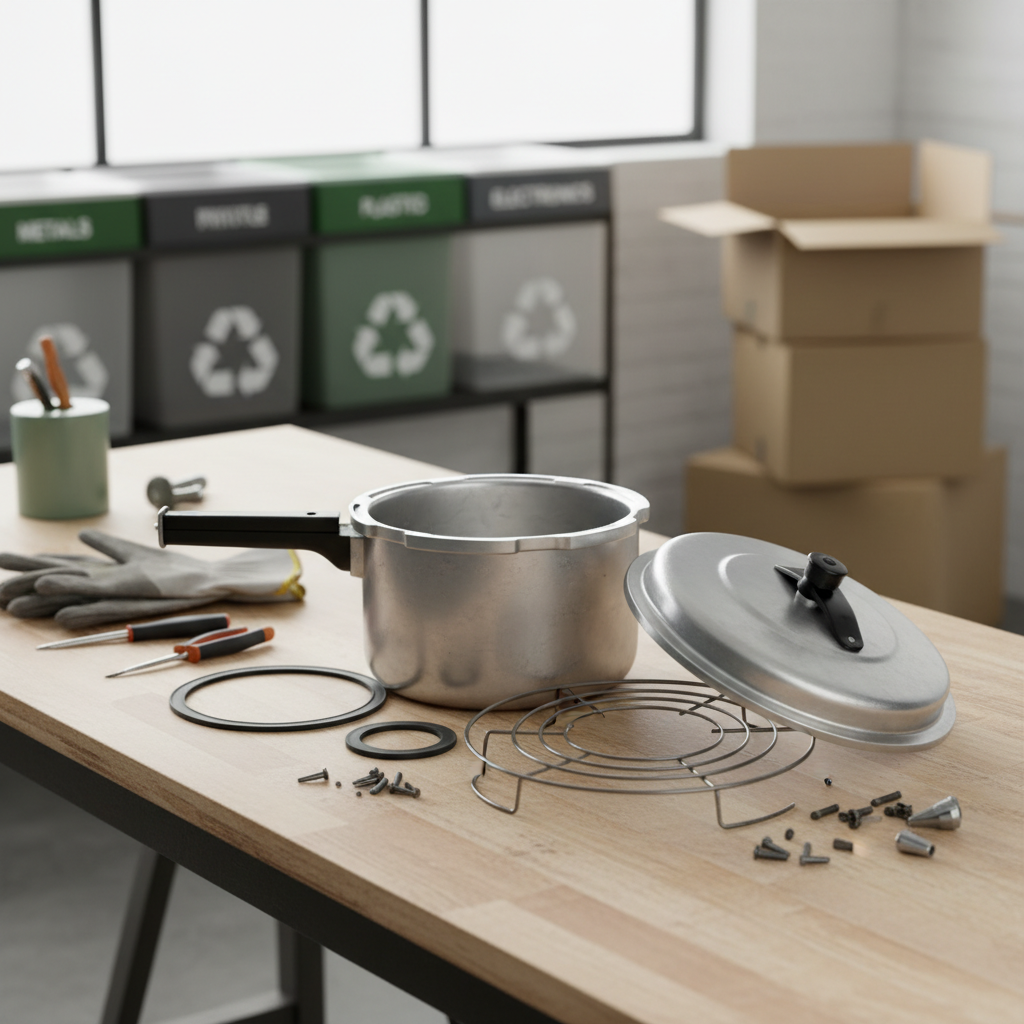
Proper preparation is key to ensuring your old pressure cooker can be recycled or reused effectively. Start by thoroughly cleaning the cooker, inside and out, removing any food residue or grease. For traditional stovetop models, you might consider disassembling it. This usually involves removing plastic handles, rubber gaskets, and any small metal valves or weights. Separating these different material types (stainless steel from plastic, for instance) makes it easier for scrap metal yards to process the valuable metals.
If you have an electric pressure cooker, the process is similar but with additional considerations for its electronic components. While complete disassembly for individual component recycling is often not practical for the average consumer, removing the main pot and any easily detachable plastic parts can still be beneficial. Always prioritize safety: ensure electric models are unplugged and cool before handling. If the cooker is in good, safe, and working condition, cleaning it meticulously is essential before considering donation for reuse.
“Disassembling appliances like pressure cookers before recycling maximizes the recovery of valuable materials, reduces contamination, and ultimately makes the recycling process more efficient and environmentally friendly.” – Dr. Evelyn Reed, Environmental Waste Management Specialist
Where to Recycle Your Old Pressure Cooker
Navigating the various options for pressure cooker disposal can seem daunting, but several reliable channels exist for responsible recycling and reuse.
Local Household Waste Recycling Centers (HWRCs) / Transfer Stations
|
Our Picks for the Best Electric pressure cooker in 2026
As an Amazon Associate I earn from qualifying purchases.
|
||
| Num | Product | Action |
|---|---|---|
| 1 | Instant Pot Duo 7-in-1 Electric Pressure Cooker, Slow Cooker, Rice Cooker, Steamer, Sauté, Yogurt Maker, Warmer & Sterilizer, Includes App with Over 800 Recipes, Stainless Steel, 8 Quart |

|
| 2 | NEWBULIG 16-in-1 Electric Pressure Cooker, 6QT Multi Cooker with 12 Presets, Slow Cook Rice Steamer Sauté Soup Meat Stew Canning Yogurt Maker, Ceramic Inner Pot & Recipe Book Included, Silver |
|
| 3 | Sweetcrispy 16-in-1 Electric Pressure Cooker 6QT, 12-Preset Multi Cookers with Ceramic Pot, Slow Cook Rice Steamer Sauté Soup Yogurt Maker and More, Recipe Book |
|
| 4 | DUMOS 16-in-1 Electric Pressure Cooker, 6QT Programmable Multi Cooker with 12 One-Touch Presets, Soup Steam Yogurt and More, Ceramic Inner Pot Delay Start & Keep Warm, Includes Recipe Guide, Black |
|
| 5 | Sweetcrispy 16-in-1 Electric Pressure Cooker 6QT, 12-Preset Multi Cookers with Ceramic Pot, Slow Cook Rice Steamer Sauté Soup Yogurt Maker and More, Recipe Book |
|
| 6 | Ninja HyperHeat 9-in-1 6.5-qt Pressure Cooker | Steams, Slow Cooks, Sears, Sautés, Sous Vide, Yogurt & More | With SimpliServe Pot | Powerful 1200-Watt | Blue Macaron | PC201 |
|
| 7 | Instant Pot Duo 7-in-1 Mini Electric Pressure Cooker, Slow Rice Cooker, Steamer, Sauté, Yogurt Maker, Warmer & Sterilizer, Includes Free App with over 1900 Recipes, Stainless Steel, 3 Quart |
|
| 8 | COSORI Pressure Cooker 6QT, Stainless Steel, 9-in-1 Multi Cooker, 12 Safety Features, Ceramic Inner Pot, Rice, Slow Cook, Sous Vide, Saute, 1100W |
|
| 9 | Instant Pot Duo 7-in-1 Electric Pressure Cooker, Slow Cooker, Rice, Steamer, Sauté, Yogurt Maker, Warmer & Sterilizer, Includes App With Over 800 Recipes, Stainless Steel, 6 Quart |
|
| 10 | Midea 12-in-1 Electric Pressure Cooker, 8 Quarts, 12 Presets, Multi-Functional Programmable Slow Cooker, Rice Cooker, Steamer, Sauté Pan, Yogurt Maker, and More, Stainless Steel |
|
Many municipal household waste recycling centers (HWRCs), also known as transfer stations or civic amenity sites, accept a wide range of household appliances. These facilities are often equipped to handle mixed metals and sometimes even e-waste (for electric models). Check your local council or county waste management website for specific guidelines, operating hours, and any booking requirements. Many HWRCs offer free disposal for these items, making them a convenient and cost-effective option. They will typically sort the materials for appropriate processing.
Scrap Metal Yards: Maximizing Metal Recovery
If your pressure cooker is primarily metal (especially stovetop models made of stainless steel or aluminum), a local scrap metal yard can be an excellent option. These facilities specialize in processing various metals for reuse. By taking your disassembled metal components here, you ensure they are properly identified and recycled. Some scrap yards might even offer a small payment for your metals, particularly if you have separated different types like stainless steel and aluminum. This approach directly contributes to the raw material supply for new products, closing the loop on valuable resources.
Retailer Take-Back Programs
Some large electronics and appliance retailers offer recycling programs for old products, sometimes even those not purchased from their stores. For example, Best Buy has comprehensive recycling programs, accepting many electronics and small kitchen appliances in-store. While they generally do not accept large appliances in stores, smaller electric pressure cookers might qualify as “small kitchen appliances.” They also offer a haul-away service for major appliances (often for a fee, and usually with a replacement purchase). Always check the retailer’s specific policies and any state-specific restrictions before visiting.
Bulky Waste Collection Services (Local Council)
Many local councils provide a bulky waste collection service for items that are too large for regular curbside bins. This service is often available for a fee and is particularly useful for items like cookers that are no longer working. Contact your local council directly to inquire about their bulky waste collection schedule, acceptable items, and associated costs. This is a convenient option if you cannot transport the pressure cooker yourself.
Donation for Reuse: Giving It a Second Life
If your pressure cooker is still in good, clean, and safe working condition, consider donating it to a local charity, thrift store, or community group. Many organizations accept functional kitchen appliances to help individuals or families in need. This is the most environmentally friendly option, as it extends the lifespan of the product and reduces the demand for new manufacturing. Before donating, ensure the cooker is thoroughly cleaned and all parts, including manuals, are present.
Step-by-Step Guide to Disposing of Your Pressure Cooker
Here’s a simple, actionable guide to ensure your old pressure cooker finds its way to responsible disposal:
- Assess Condition: First, determine if your pressure cooker is still functional and safe to use.
- Clean Thoroughly: If it’s working or you plan to recycle, clean all parts to remove food residue.
- Consider Donation (If Functional): If the cooker is in good working order, contact local charities, thrift stores, or community organizations to see if they accept donations of used kitchen appliances.
- Disassemble (If Recycling Metal): For non-functional metal pressure cookers, consider separating materials. Remove plastic handles, rubber gaskets, and electronic components from the main metal body. This makes metal recycling more efficient.
- Locate Recycling Options:
- Metals: Take separated metal parts to a local scrap metal yard.
- Whole Appliance: Check your local Household Waste Recycling Center (HWRC) for appliance or metal recycling drop-off.
- Electric Models: Inquire if the HWRC or a retailer’s take-back program accepts small electronic appliances or e-waste.
- Bulky Collection: If transport is an issue and the item is non-functional, schedule a bulky waste collection with your local council.
- Verify Requirements: Always confirm specific acceptance policies, hours, and any potential fees with your chosen facility or service before making the trip. For items Best Buy doesn’t accept, they recommend Earth911.com to find alternative recycling locations.
- Transport Safely: Ensure the pressure cooker is securely packaged and transported to prevent damage or injury during transit.
| Disposal Method | Pros | Cons | Typical Cost | Best For |
|---|---|---|---|---|
| Donation (if functional) | Eco-friendly reuse, helps others | Must be in good working condition, requires cleaning | Free | Functional, gently used pressure cookers |
| Local HWRC / Transfer Station | Convenient, often free, handles various items | Requires transportation, may have limited hours | Free | Non-functional, mixed-material appliances |
| Scrap Metal Yard | Maximizes metal recovery, potential payout | Requires disassembly, only accepts metal | Free (or paid) | Non-functional metal-heavy cookers |
| Retailer Take-Back Program | Convenient for small electric models | Limited to certain retailers/sizes, some fees may apply | Varies | Small electric pressure cookers, new purchase haul-away |
| Local Council Bulky Waste Collection | Convenient for large items, no transport needed | Often incurs a fee, scheduled pickups | Fee applies | Non-functional, bulky appliances |
Conclusion
Responsibly recycling your old pressure cooker is a straightforward yet impactful way to contribute to a healthier planet. By understanding the materials involved and utilizing the appropriate disposal channels—whether it’s a local Household Waste Recycling Center, a scrap metal yard, a retailer take-back program, or even donating a working unit—you prevent valuable resources from ending up in landfills. Your small effort in choosing the right recycling method helps conserve energy, reduce pollution, and support a sustainable future for everyone. So, the next time you upgrade your kitchen appliances, how will you ensure your old pressure cooker is recycled responsibly?
Frequently Asked Questions
Can I put a pressure cooker in my regular recycling bin?
Generally, no. Pressure cookers are made from multiple materials like metal, plastic, and rubber, which cannot be separated by standard curbside recycling processes. Placing them in your regular recycling bin often leads to them being diverted to a landfill.
What if my pressure cooker has non-stick coating?
Pressure cookers with non-stick coatings can be more challenging to recycle at standard metal recycling facilities due to the coating. It’s best to check with your local Household Waste Recycling Center or an appliance recycling program for guidance, as they may have specialized processes for these items.
Are electric pressure cookers recycled differently than stovetop models?
Yes, electric pressure cookers contain electronic components, making them classified as Waste Electrical and Electronic Equipment (WEEE) or e-waste. They should be recycled through facilities equipped to handle electronics, such as specific drop-off points at HWRCs or retailer take-back programs, to ensure hazardous materials are processed safely.
How can I find a local recycling center for pressure cookers?
You can find local recycling centers by visiting your city or county’s waste management website, using online tools like Earth911.com, or contacting local appliance retailers for information on their take-back programs.
Is it worth disassembling a pressure cooker before recycling?
Disassembling a pressure cooker, particularly separating metal from plastic and rubber components, can be beneficial. It allows for purer metal recycling at scrap yards and can sometimes increase its value, although it requires extra effort.