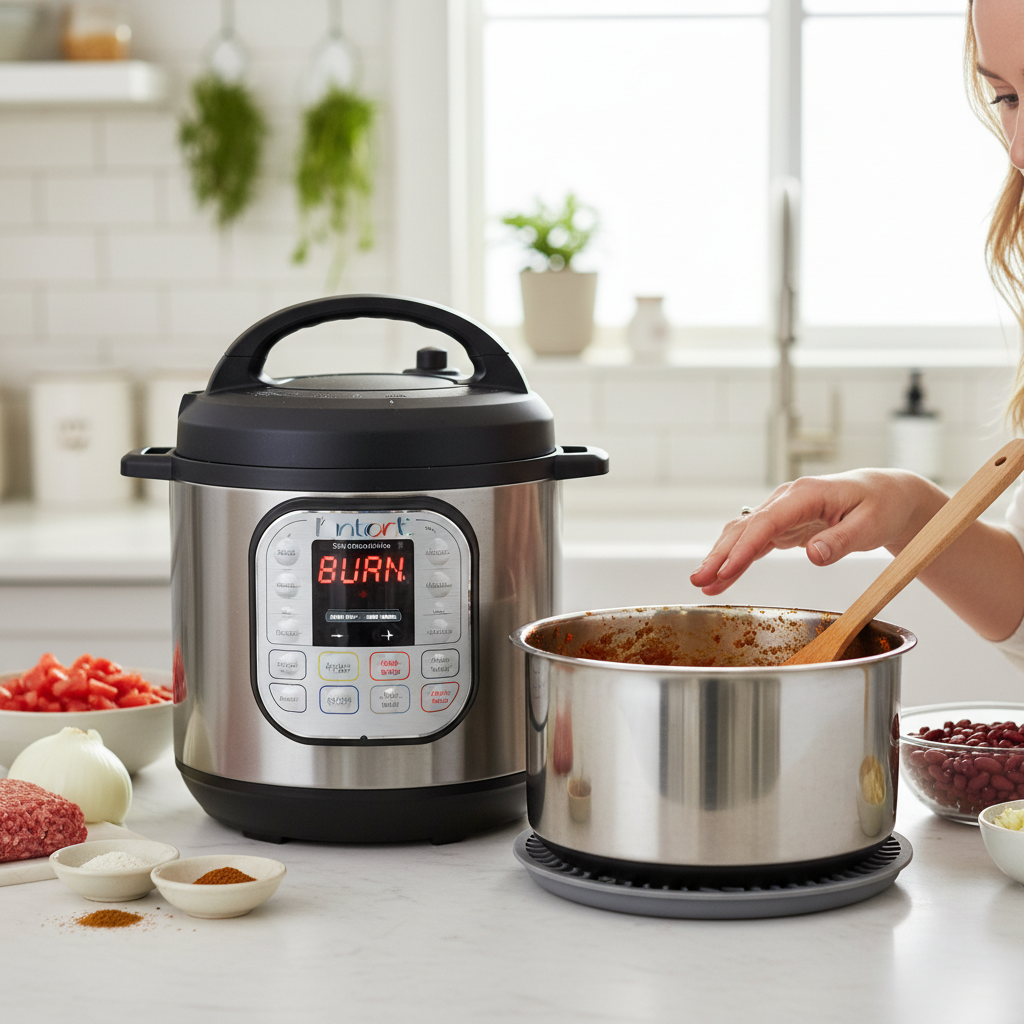
Encountering the “Burn” message on your Instant Pot can be a moment of kitchen panic. This blinking notification often strikes when you’re in the middle of preparing a delicious meal, leaving you wondering if your dinner is destined for the trash. But don’t fret; this message is actually a clever safety feature, not a sign of impending disaster. It simply means your Instant Pot has detected abnormally high temperatures at the bottom of the inner pot, halting the cooking process to prevent your food from scorching and to protect the appliance itself. Understanding why this message appears and knowing the straightforward steps to resolve it can save your meal and your sanity, turning a moment of frustration into a quick fix.
Understanding the Instant Pot “Burn” Message
The “Burn” message, sometimes displayed as “OvHt” or “Food Burn,” is an integral part of your Instant Pot’s built-in overheat protection system. This mechanism is designed to safeguard both your appliance and your culinary creations. When the internal sensors detect that the inner pot’s bottom is getting too hot—typically around 140°C or 284°F—the Instant Pot automatically suspends heating. This preemptive action prevents food from burning onto the pot’s surface and ensures the longevity of your appliance. Think of it as a vigilant guardian, stepping in precisely when needed to avert a cooking mishap.
While it can be alarming, the appearance of this message doesn’t automatically mean your food is ruined. Often, only the very bottom layer might be slightly overcooked or dry, and the rest of your dish remains perfectly edible. The key is to address the warning promptly and systematically, allowing you to often resume cooking without significant loss. The “Burn” message is an opportunity to check for common issues and make minor adjustments that lead to successful pressure cooking.
Common Causes of the Instant Pot “Burn” Message
The Instant Pot’s “Burn” message typically signals one of several common culprits. Identifying the root cause is the first step toward a quick resolution and preventing future occurrences. The primary reasons revolve around heat distribution, liquid content, and proper sealing.
Insufficient Liquid
|
Our Picks for the Best Electric pressure cooker in 2026
As an Amazon Associate I earn from qualifying purchases.
|
||
| Num | Product | Action |
|---|---|---|
| 1 | Instant Pot Duo 7-in-1 Electric Pressure Cooker, Slow Cooker, Rice Cooker, Steamer, Sauté, Yogurt Maker, Warmer & Sterilizer, Includes App with Over 800 Recipes, Stainless Steel, 8 Quart |

|
| 2 | Instant Pot Duo 7-in-1 Electric Pressure Cooker, Slow Cooker, Rice, Steamer, Sauté, Yogurt Maker, Warmer & Sterilizer, Includes App With Over 800 Recipes, Stainless Steel, 6 Quart |
|
| 3 | DUMOS 16-in-1 Electric Pressure Cooker, 6QT Programmable Multi Cooker with 12 One-Touch Presets, Soup Steam Yogurt and More, Ceramic Inner Pot Delay Start & Keep Warm, Includes Recipe Guide, Black |
|
| 4 | Sweetcrispy 16-in-1 Electric Pressure Cooker 6QT, 12-Preset Multi Cookers with Ceramic Pot, Slow Cook Rice Steamer Sauté Soup Yogurt Maker and More, Recipe Book |
|
| 5 | COSORI Pressure Cooker 6QT, Stainless Steel, 9-in-1 Multi Cooker, 12 Safety Features, Ceramic Inner Pot, Rice, Slow Cook, Sous Vide, Saute, 1100W |
|
| 6 | NEWBULIG 16-in-1 Electric Pressure Cooker, 6QT Multi Cooker with 12 Presets, Slow Cook Rice Steamer Sauté Soup Meat Stew Canning Yogurt Maker, Ceramic Inner Pot & Recipe Book Included, Silver |
|
| 7 | Sweetcrispy 16-in-1 Electric Pressure Cooker 6QT, 12-Preset Multi Cookers with Ceramic Pot, Slow Cook Rice Steamer Sauté Soup Yogurt Maker and More, Recipe Book |
|
| 8 | Instant Pot Duo 7-in-1 Mini Electric Pressure Cooker, Slow Rice Cooker, Steamer, Sauté, Yogurt Maker, Warmer & Sterilizer, Includes Free App with over 1900 Recipes, Stainless Steel, 3 Quart |
|
| 9 | Ninja HyperHeat 9-in-1 6.5-qt Pressure Cooker | Steams, Slow Cooks, Sears, Sautés, Sous Vide, Yogurt & More | With SimpliServe Pot | Powerful 1200-Watt | Blue Macaron | PC201 |
|
| 10 | Midea 12-in-1 Electric Pressure Cooker, 8 Quarts, 12 Presets, Multi-Functional Programmable Slow Cooker, Rice Cooker, Steamer, Sauté Pan, Yogurt Maker, and More, Stainless Steel |
|
One of the most frequent reasons for a “Burn” warning is a lack of adequate thin liquid in the inner pot. Pressure cooking relies on steam generation, and if there isn’t enough water, broth, or other thin liquid to create that steam, the pot struggles to reach pressure. This leads to dry heat building up at the bottom, triggering the overheat sensor. Many recipes recommend at least 1 cup of thin liquid for optimal pressure building and to prevent scorching.
Thick or Starchy Ingredients at the Bottom
Ingredients like tomato paste, thick tomato sauces, cream, milk, starchy foods (such as pasta or beans), or even certain pureed vegetables can easily stick and scorch if they settle directly on the bottom of the inner pot. These thick substances don’t conduct heat as efficiently as thin liquids, leading to localized overheating even if overall liquid content seems sufficient. The Instant Pot detects this hot spot and issues the “Burn” warning.
Food Stuck to the Bottom After Sautéing
The sauté function is incredibly convenient for browning meats or softening vegetables directly in the Instant Pot. However, if you don’t properly “deglaze” the pot afterwards, any small food bits left stuck to the bottom can quickly burn once pressure cooking begins. Deglazing involves pouring in some liquid and scraping up these flavorful browned bits with a wooden spoon, ensuring a clean cooking surface before sealing the lid.
Dirty Inner Pot or Heating Element
Sometimes, the issue isn’t with your recipe at all. If there are food debris, spills, or other objects stuck between the inner pot and the heating element in the Instant Pot base, these can burn and trigger the sensor. Similarly, a dirty underside of the inner pot can interfere with proper heat transfer. Always ensure both the inner pot’s exterior and the heating element are clean and dry before cooking.
Improperly Sealed Lid or Venting Issues
A properly sealed Instant Pot is crucial for pressure cooking. If the silicone sealing ring is not correctly fitted, is damaged, or has food debris on it, steam can leak, preventing the pot from coming to pressure. The same applies if the float valve is obstructed or if the steam release valve is left in the “Venting” position instead of “Sealing.” When steam escapes, liquid evaporates too quickly, leaving insufficient liquid to prevent scorching.
Overfilling the Pot
While less common, overfilling your Instant Pot can sometimes contribute to the “Burn” message, particularly with smaller models. If there’s simply too much food, heat distribution can become uneven, and certain ingredients might press against the bottom of the pot, causing localized overheating. Always observe the maximum fill lines marked on your inner pot.
Step-by-Step Guide: What to Do When Your Instant Pot Says “Burn”
When the dreaded “Burn” message appears, quick action is key. Here’s a systematic approach to troubleshoot and fix the issue, often allowing you to resume cooking your meal without a hitch:
- Don’t Panic – Press “Cancel”: Your first instinct might be to open the lid immediately, but safety first! The Instant Pot has already stopped heating, so the immediate danger is averted. Simply press the “Cancel” button to turn off the cooking program.
- Quick Release the Pressure: If your Instant Pot has built up pressure, carefully turn the steam release valve to the “Venting” position to perform a quick release. Stand clear of the steam as it vents. Never force open the lid if the float valve is still up. Wait until the float valve drops before proceeding.
- Carefully Open and Inspect: Once the pressure is fully released and the float valve has dropped, carefully open the lid. Lift the inner pot out of the Instant Pot base and set it aside.
- Scrape the Bottom: Inspect the bottom of the inner pot for any food that might be stuck or scorched. Use a wooden spoon or a silicone spatula to gently scrape up any browned bits or burnt food. If there’s only minor scorching, scraping it off and stirring it back into the dish is usually sufficient. If a significant portion is burnt, you might need to transfer the unburnt food to another container, clean the inner pot thoroughly, and then return the food.
- Pro Tip: For stubborn burnt food, soak the inner pot in warm, soapy water. For extremely tough cases, you can even pressure cook water with a bit of white vinegar in the cleaned pot, then natural release and scrub.
- Check Components and Clean:
- Inner Pot Exterior & Heating Element: Before placing the inner pot back, check the heating element in the Instant Pot base and the underside of the inner pot. Ensure both are clean and dry, free from any debris, food spills, or foreign objects.
- Sealing Ring: Examine the silicone sealing ring on the lid. Make sure it’s properly seated in its groove, clean, and free from any tears or damage.
- Float Valve: Ensure the float valve on the lid is clean and can move freely up and down.
- Steam Release Valve: Confirm the steam release valve is clear of obstructions and can move smoothly.
- Add More Liquid and Adjust Ingredients:
- Liquid: If the pot was dry or the liquid too thick, add more thin cooking liquid. A general rule is to ensure at least 1 cup of thin liquid in most recipes.
- Layering: If your recipe includes thick sauces, dairy, or starchy ingredients, avoid mixing them directly into the bottom layer. Instead, layer them on top of the other ingredients and thin liquid, without stirring. This keeps them away from the direct heat source. You might need to dilute very thick sauces.
- Restart the Pressure Cooking Process: Return the inner pot to the Instant Pot base, ensuring it’s properly seated. Close the lid, turn the steam release valve to the “Sealing” position, and restart the cooking cycle. You may need to adjust the cooking time if your food was partially cooked before the “Burn” message appeared.
Preventive Measures: Avoiding Future “Burn” Notices
Preventing the “Burn” message is often easier than fixing it mid-cook. By adopting a few best practices, you can significantly reduce the likelihood of encountering this error.
- Ensure Sufficient Thin Liquid: Always adhere to the minimum liquid requirements for your Instant Pot model, typically at least 1 cup for most pressure cooking cycles. If a recipe seems low on liquid, err on the side of adding a little extra water or broth.
- Deglaze Thoroughly After Sautéing: If your recipe involves sautéing ingredients directly in the pot, always deglaze the bottom meticulously. Pour in a small amount of cooking liquid (like broth or water) and use a wooden spoon to scrape up all the browned bits stuck to the bottom of the inner pot. These bits are not burnt but can easily cause a “Burn” warning if left untouched.
- Layer Ingredients Strategically: For recipes with thick sauces, dairy, or starchy components (like pasta, rice, or tomato products), layer them on top of the other ingredients and thin liquid. Avoid stirring them into the bottom layer. This keeps them away from the direct heat source at the bottom of the pot, preventing them from scorching.
- Keep Your Instant Pot Spotless: Regularly clean the inner pot, paying attention to its exterior. Crucially, wipe down the heating element in the Instant Pot base and ensure no food debris falls between the inner pot and the base. A clean appliance runs more efficiently and safely.
- Check Your Sealing Ring and Float Valve: Before each use, quickly inspect your silicone sealing ring for proper placement, cleanliness, and any signs of damage. A well-maintained sealing ring ensures a tight seal, which is vital for pressure building. Similarly, confirm the float valve is clean and moves freely.
- Do Not Overfill: Respect the maximum fill line on your Instant Pot’s inner pot. Overfilling can lead to uneven cooking and increase the chance of ingredients scorching, especially with smaller models.
- Consider the Pot-in-Pot Method: For delicate sauces, custards, or dishes prone to scorching (like those with a high dairy content), the pot-in-pot method can be a game-changer. By cooking the food in a smaller, oven-safe dish placed on a trivet inside the Instant Pot with water below, you create a gentle, indirect heat environment, effectively bypassing direct contact with the heating element.
“Many users find that a little extra attention to layering ingredients and thoroughly deglazing after sautéing makes all the difference in avoiding the Instant Pot ‘Burn’ message.” – Kristine Rosenblatt, Instant Pot Recipe Developer.
Conclusion
The “Burn” message on your Instant Pot is a common occurrence, but it’s far from a culinary catastrophe. It’s a protective mechanism designed to save your meal and your appliance from actual damage. By understanding its causes—from insufficient liquid and stuck food to thick sauces and cleanliness issues—you gain the power to quickly troubleshoot and prevent it. With a few simple steps like adding more liquid, scraping the pot, and strategic layering of ingredients, you can typically resume your cooking without a hitch.
Don’t let a blinking “Burn” message deter you from enjoying the convenience and versatility of your Instant Pot. Embrace these tips, and you’ll find yourself confidently navigating any kitchen challenge. What’s your go-to trick for preventing the “Burn” message? Share your insights and help other Instant Pot users master their kitchen companion!
Frequently Asked Questions
Is it safe to eat food after an Instant Pot “Burn” message?
Yes, in most cases, it is safe to eat food after a “Burn” message. The message usually indicates scorching at the very bottom, and typically, only a small portion of the food is affected. Once you’ve removed any burnt bits and ensured proper liquid levels, the rest of your meal should be perfectly fine to consume.
How much liquid do I really need in my Instant Pot?
For most pressure cooking recipes, it’s generally recommended to use at least 1 cup (240ml) of thin liquid. This amount is crucial for the Instant Pot to build enough steam to reach and maintain pressure, preventing the bottom from drying out and triggering the “Burn” message.
Can I ignore the “Burn” message and continue cooking?
No, it is strongly advised not to ignore the “Burn” message. The Instant Pot stops heating when this message appears to prevent actual burning and potential damage. Ignoring it could lead to genuinely scorched food, a difficult cleanup, and possibly even harm to your appliance. Always press cancel, release pressure, and troubleshoot.
Why does my new Instant Pot get the “Burn” message more often?
Some users report that newer Instant Pot models, or even larger 8-quart units, can be more sensitive to the “Burn” message. It might also be a learning curve with the specific appliance. Ensure you’re following all preventive measures, especially regarding liquid amounts and deglazing, as you get accustomed to your new cooker.
What if there’s nothing stuck to the bottom of the pot, but I still get the “Burn” message?
If the bottom of your inner pot appears clean, check other common culprits. Ensure there’s sufficient thin liquid, that the sealing ring is properly fitted, the float valve is clean, and the steam release valve is in the correct position for sealing. Also, check for any debris under the inner pot on the heating element itself.