Is your pressure cooker’s sealing ring holding onto the ghosts of meals past? That lingering aroma of last night’s curry or a pungent garlic dish can permeate your kitchen, making you hesitant to cook anything delicate like yogurt or cheesecake. A smelly sealing ring is a common frustration for many pressure cooker enthusiasts, but it doesn’t have to be a permanent fixture. With a few simple, effective techniques, you can banish those stubborn odors and restore your sealing ring to its neutral, fresh state, ensuring your culinary creations taste exactly as intended.
Understanding the Lingering Odor
Why does your pressure cooker’s sealing ring seem to cling to strong smells? The primary culprit is the material itself: silicone. While incredibly durable, flexible, and heat-resistant, silicone is a semi-porous material. This means it can absorb and trap volatile aromatic compounds from foods, especially highly spiced or strong-smelling ingredients like garlic, onions, curries, and chili. Over time, these absorbed molecules can build up, leading to a persistent and unpleasant odor that can transfer to other dishes. The high-pressure, high-temperature environment inside the cooker further encourages this absorption, essentially infusing the silicone with food aromas.
Preparation: Safety First
Before attempting any deodorizing methods, always ensure your pressure cooker is completely cool and depressurized. Carefully remove the sealing ring from the lid. Most methods will begin with a basic wash using warm, soapy water to remove any visible food particles and grease. This initial cleaning primes the ring for the deeper deodorizing treatments that follow. Always inspect the ring for any signs of damage like cracks or tears; a compromised ring should be replaced, not just deodorized, for safety reasons.
Effective Home Remedies for Odor Removal
Several common household items can be incredibly effective at neutralizing stubborn odors from your pressure cooker sealing ring. These methods leverage the natural properties of acids and absorbents to break down or trap odor molecules.
The Vinegar Steam Clean Method
|
Our Picks for the Best Electric pressure cooker in 2026
As an Amazon Associate I earn from qualifying purchases.
|
||
| Num | Product | Action |
|---|---|---|
| 1 | DUMOS 16-in-1 Electric Pressure Cooker, 6QT Programmable Multi Cooker with 12 One-Touch Presets, Soup Steam Yogurt and More, Ceramic Inner Pot Delay Start & Keep Warm, Includes Recipe Guide, Black |

|
| 2 | Instant Pot Duo 7-in-1 Electric Pressure Cooker, Slow Cooker, Rice Cooker, Steamer, Sauté, Yogurt Maker, Warmer & Sterilizer, Includes App with Over 800 Recipes, Stainless Steel, 8 Quart |
|
| 3 | Ninja HyperHeat 9-in-1 6.5-qt Pressure Cooker | Steams, Slow Cooks, Sears, Sautés, Sous Vide, Yogurt & More | With SimpliServe Pot | Powerful 1200-Watt | Blue Macaron | PC201 |
|
| 4 | COSORI Pressure Cooker 6QT, Stainless Steel, 9-in-1 Multi Cooker, 12 Safety Features, Ceramic Inner Pot, Rice, Slow Cook, Sous Vide, Saute, 1100W |
|
| 5 | Sweetcrispy 16-in-1 Electric Pressure Cooker 6QT, 12-Preset Multi Cookers with Ceramic Pot, Slow Cook Rice Steamer Sauté Soup Yogurt Maker and More, Recipe Book |
|
| 6 | NEWBULIG 16-in-1 Electric Pressure Cooker, 6QT Multi Cooker with 12 Presets, Slow Cook Rice Steamer Sauté Soup Meat Stew Canning Yogurt Maker, Ceramic Inner Pot & Recipe Book Included, Silver |
|
| 7 | Instant Pot Duo 7-in-1 Electric Pressure Cooker, Slow Cooker, Rice, Steamer, Sauté, Yogurt Maker, Warmer & Sterilizer, Includes App With Over 800 Recipes, Stainless Steel, 6 Quart |
|
| 8 | Instant Pot Duo 7-in-1 Mini Electric Pressure Cooker, Slow Rice Cooker, Steamer, Sauté, Yogurt Maker, Warmer & Sterilizer, Includes Free App with over 1900 Recipes, Stainless Steel, 3 Quart |
|
| 9 | Midea 12-in-1 Electric Pressure Cooker, 8 Quarts, 12 Presets, Multi-Functional Programmable Slow Cooker, Rice Cooker, Steamer, Sauté Pan, Yogurt Maker, and More, Stainless Steel |
|
| 10 | Sweetcrispy 16-in-1 Electric Pressure Cooker 6QT, 12-Preset Multi Cookers with Ceramic Pot, Slow Cook Rice Steamer Sauté Soup Yogurt Maker and More, Recipe Book |
|
One of the most widely recommended and effective methods involves using white vinegar and steam.
- Prepare the Pot: Place your cleaned pressure cooker inner pot back into the cooker.
- Add Ingredients: Pour two cups of white vinegar into the inner pot. For an added boost of freshness, you can also include a few lemon rinds or half a lemon.
- Steam Cycle: Place the lid on the pressure cooker, ensuring the sealing ring is properly in place. Seal the lid and set your appliance to the “Steam” setting for two minutes.
- Natural Release & Dry: Allow the pressure to release naturally. Once cool, remove the sealing ring and let it air dry completely. The vinegar steam helps to sanitize and neutralize odors effectively.
Baking Soda Paste Power
Baking soda is a renowned natural deodorizer, excellent at absorbing smells rather than just masking them.
- Create a Paste: Mix a generous amount of baking soda with a small amount of water to form a thick paste.
- Apply to Ring: Rub this paste all over the surface of your silicone sealing ring, ensuring it’s thoroughly coated.
- Soak Time: Let the paste sit on the ring for 15-20 minutes. For deeply embedded odors, you can extend this time to a few hours or even overnight.
- Rinse and Dry: Rinse the ring thoroughly under warm water, scrubbing gently to remove all traces of baking soda. Allow it to air dry completely before storing.
Dishwasher Deep Clean
For many modern pressure cooker sealing rings, the dishwasher offers a convenient and effective cleaning solution.
- Placement: Place the sealing ring on the top rack of your dishwasher. This placement helps prevent it from getting warped or damaged by the heating element at the bottom.
- Run Cycle: Run a regular dishwasher cycle. The hot water and detergent can often dislodge trapped odor molecules.
- Inspect and Dry: After the cycle, remove the ring, inspect for any remaining odors, and ensure it’s fully air-dried before reinserting it into the lid.
Vinegar Soak Solution
For particularly stubborn odors, a longer soak in vinegar can work wonders.
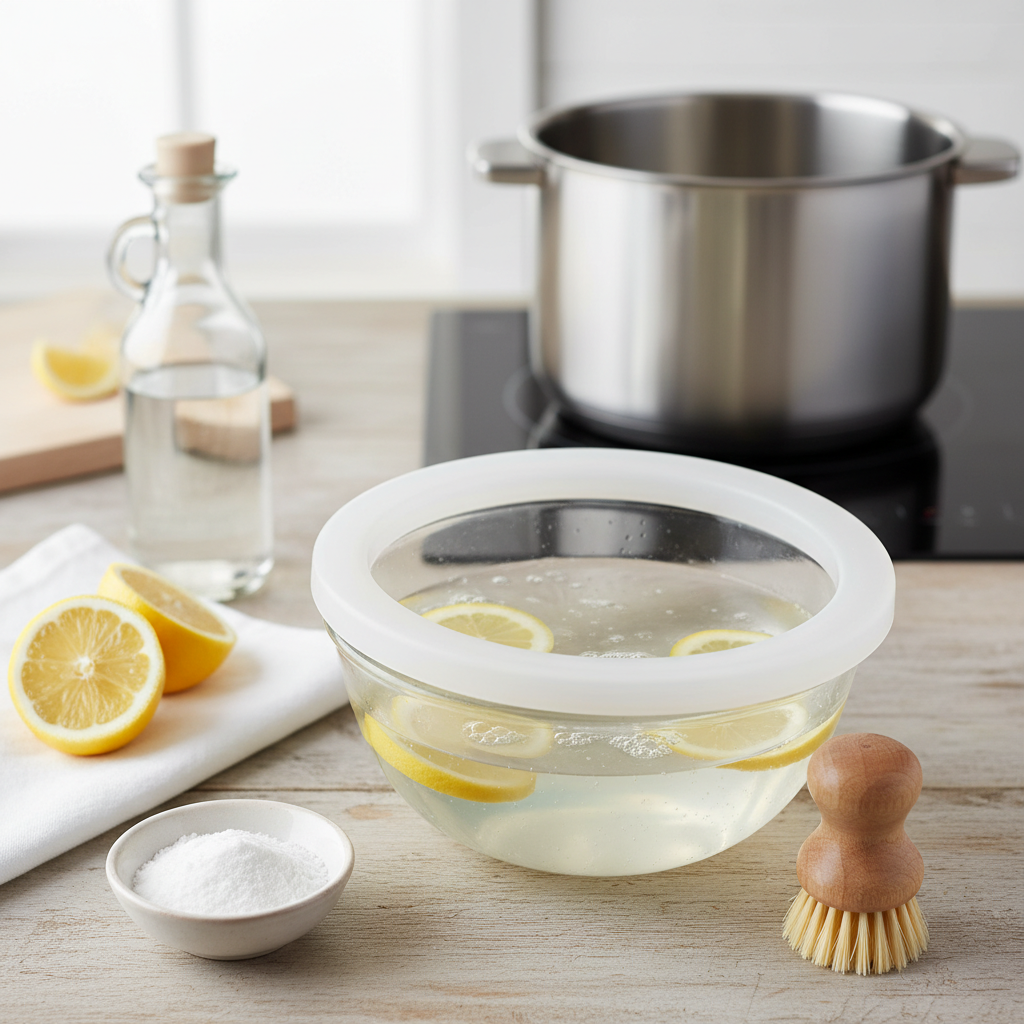
- Prepare Soak: Mix equal parts white vinegar and water in a bowl.
- Submerge Ring: Submerge the sealing ring completely in the vinegar solution.
- Soak Duration: Let it soak for at least 30 minutes to an hour. For severe smells, an overnight soak can be highly effective.
- Rinse and Dry: Remove the ring, rinse it thoroughly with warm water, and allow it to air dry.
Unconventional (But Effective) Odor Eliminators
Sometimes, traditional methods need a little boost. These less common, yet highly effective, approaches can tackle the most persistent smells.
The Freezer Fix
Extreme cold can help to “shock” odor molecules out of the silicone, making them easier to dissipate.
- Clean and Dry: Ensure the sealing ring is clean and dry.
- Freeze: Place the ring in a freezer-safe bag or container and put it in the freezer for a few hours or overnight.
- Air Out: Remove it from the freezer and let it return to room temperature, then air it out. The cold can help to loosen trapped odors.
Baking Away Bad Smells
Just as baking soda absorbs odors, gentle heat can sometimes help to release them from silicone.
- Preheat Oven: Preheat your oven to a low temperature, around 250°F (120°C).
- Place on Sheet: Lay the sealing ring flat on a baking sheet.
- Bake: Bake for approximately 20 minutes.
- Cool and Dry: Let it cool completely before handling. This method can effectively evaporate lingering odor compounds. Always monitor closely to prevent overheating or damage.
Denture Tablets for Tough Odors
Surprisingly, anti-bacterial denture cleaning tablets can be an excellent option for deeply embedded odors.
- Dissolve Tablet: Drop one or two denture cleaning tablets into a bowl of warm water until fully dissolved.
- Soak Ring: Submerge your sealing ring in the solution.
- Soak Time: Let it soak for 30 minutes to an hour, or according to the denture tablet’s instructions for deep cleaning.
- Rinse Thoroughly: Rinse the sealing ring extensively under running water to remove all chemical residue, then air dry.
Preventing Future Odors: Best Practices
Prevention is often the best cure when it comes to keeping your sealing ring fresh.
- Immediate Cleaning: Always remove and wash your sealing ring immediately after each use. Don’t let food residues sit and embed their odors.
- Proper Drying and Storage: After washing, ensure the sealing ring is completely dry before storing. Air drying on a dish rack allows for optimal air circulation. Some users even store their sealing rings separately from the lid, allowing both to breathe, or invert the lid on the pot.
- Dedicated Rings: If you frequently cook strong-smelling savory dishes and also prepare delicate sweets, consider purchasing a second (or even a third) sealing ring. Designate one for savory foods (e.g., a red ring) and another for sweet or neutral dishes (e.g., a clear or blue ring) to prevent cross-contamination of flavors and smells.
- When to Replace: Even with the best cleaning and prevention, sealing rings don’t last forever. Over time, silicone can degrade, lose its elasticity, or become so saturated with odors that no cleaning method works. Replace your sealing ring every 6-12 months, or sooner if you notice visible damage, stretching, or if it consistently fails to seal properly.
“Maintaining a clean and odor-free sealing ring isn’t just about pleasant aromas; it’s crucial for the efficiency and longevity of your pressure cooker. Regular care ensures consistent pressure sealing and prolongs the life of this essential component.”
Conclusion
A smelly pressure cooker sealing ring is a common kitchen nuisance, but with a range of effective strategies, it’s a problem you can easily overcome. From the trusty vinegar steam clean to the odor-absorbing power of baking soda, and even the unique solutions like freezing or baking, you have multiple tools at your disposal to eliminate lingering food aromas. By consistently cleaning your sealing ring after each use, drying it properly, and considering dedicated rings for different food types, you can significantly reduce the chances of odors taking hold. Don’t let a lingering smell deter you from enjoying the convenience and versatility of your pressure cooker. Which method will you try first to reclaim your kitchen’s freshness?
Frequently Asked Questions
Is it safe to put the sealing ring in the dishwasher?
Yes, most silicone sealing rings, particularly those from popular brands like Instant Pot, are dishwasher safe. For best results and to prevent warping or damage, always place the sealing ring on the top rack of your dishwasher.
How often should I clean my sealing ring?
It is recommended to clean your sealing ring thoroughly after every use. For basic maintenance, washing with warm, soapy water is usually sufficient. If strong odors persist, use one of the deeper deodorizing methods after each use of pungent ingredients.
Can I use bleach on my sealing ring?
No, it is generally not recommended to use bleach on silicone sealing rings. Bleach can degrade the silicone over time, potentially compromising its sealing ability and safety. Stick to natural cleaners like vinegar, baking soda, or approved denture tablets.
How do I know when to replace my sealing ring?
You should consider replacing your sealing ring every 6 to 12 months, or sooner if you notice any visible damage such as cracks, tears, stretching, or permanent deformation. If cleaning methods no longer remove odors, or if your pressure cooker struggles to reach or maintain pressure, it’s also a good indication it’s time for a new ring.
Why do my sealing rings absorb smells so easily?
Silicone, the material typically used for pressure cooker sealing rings, is semi-porous. This means it has microscopic gaps that can absorb and trap volatile aromatic compounds from strong-smelling foods like curries, garlic, and chili. The high-pressure, high-temperature cooking environment can enhance this absorption, leading to persistent odors.