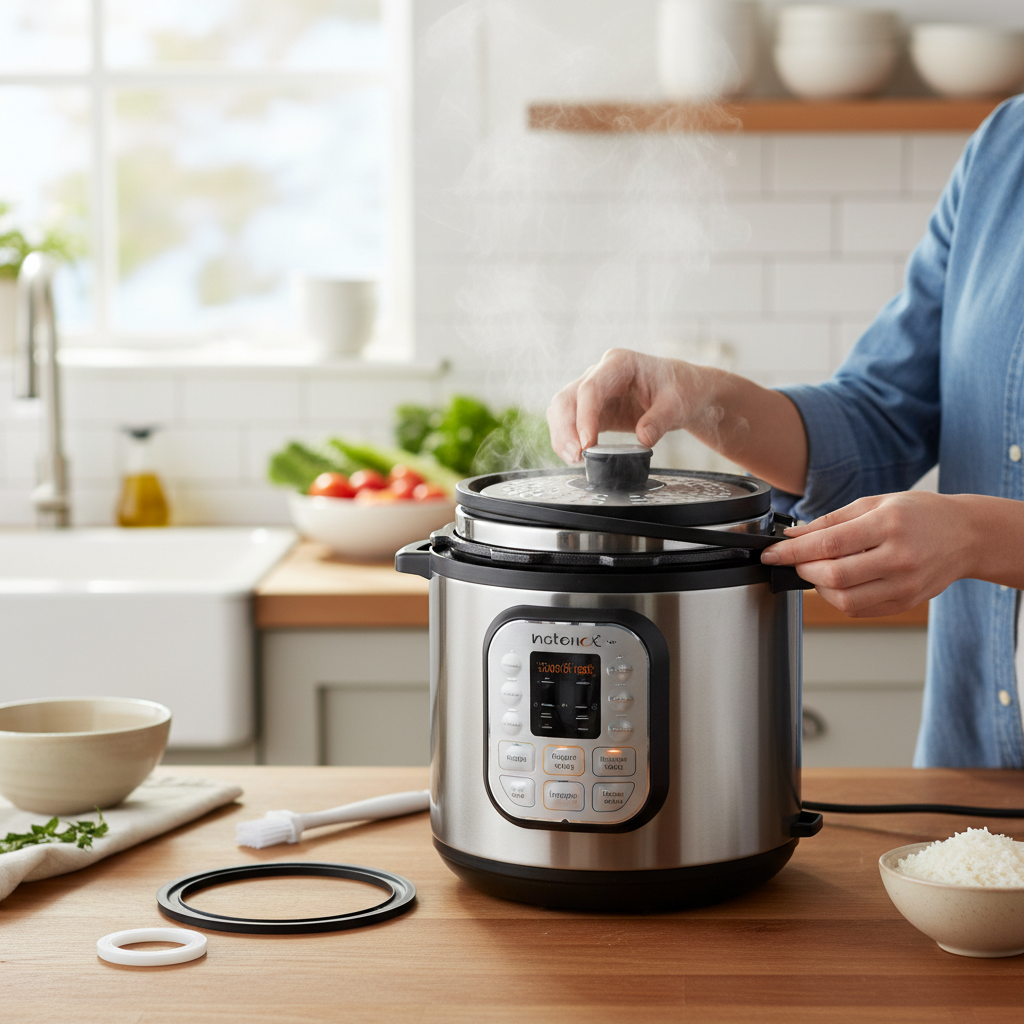
Ensuring your baby’s feeding equipment is thoroughly clean and safe is a paramount concern for any parent. In the fast-paced world of new parenthood, finding efficient and reliable methods for sterilizing baby bottles is crucial. Electric pressure cookers, particularly multi-functional models, have emerged as a versatile solution, offering convenience beyond just meal preparation. This comprehensive guide will delve into how electric pressure cookers can simplify your sterilization routine, compare them with dedicated sterilizers, and help you choose the best option for your family’s needs.
Understanding Baby Bottle Sterilization
Sterilization is the process of eliminating virtually all harmful bacteria and germs from baby feeding items, providing an essential layer of protection for your little one’s developing immune system. While regular cleaning with soap and water removes visible dirt and debris, sanitizing reduces germ count, and sterilizing takes it a step further by using high temperatures to disinfect.
The necessity of daily sterilization can vary depending on your baby’s age and health. Experts typically advise daily sterilization for infants under three months old, premature babies, or those with compromised immune systems, as they are most susceptible to infections. For older, healthy babies, thorough cleaning might suffice, but many parents opt for sterilization for added peace of mind, especially when items have been stored or if the baby has been unwell. It’s always best to consult your pediatrician for personalized recommendations.
Types of Electric Sterilizers for Baby Bottles
When considering electric appliances for sterilizing baby bottles, two main categories stand out: dedicated electric steam sterilizers and multi-functional electric pressure cookers. Both leverage the power of steam to kill germs effectively, but they cater to different needs and offer distinct advantages.
Dedicated Electric Steam Sterilizers
These appliances are designed with one primary purpose: sterilizing baby bottles and accessories. They typically feature a base with a heating element that boils water to produce steam, and a rack system to hold bottles, nipples, and other small parts. Many models also include a drying cycle, which is a significant convenience.
-
Pros:
- Efficiency: Often sterilize and dry items quickly in a single cycle.
- Ease of Use: Simple, intuitive controls with pre-set programs.
- Sterile Storage: Many models keep contents sterile for an extended period (e.g., 24-48 hours) if the lid remains closed, reducing the need for immediate unpacking.
- Targeted Design: Optimized for baby items, ensuring proper steam circulation around all parts.
-
Cons:
- Single Purpose: Occupies counter space without offering other kitchen functionalities.
- Cost: An additional appliance purchase solely for sterilization.
- Capacity Limits: While often generous, capacity is still finite and fixed.
-
Who it’s for: Parents seeking a specialized, hands-off solution with integrated drying and sterile storage. Ideal for those who sterilize frequently and prefer a streamlined process.
|
Our Picks for the Best Electric pressure cooker in 2026
As an Amazon Associate I earn from qualifying purchases.
|
||
| Num | Product | Action |
|---|---|---|
| 1 | Instant Pot Duo 7-in-1 Electric Pressure Cooker, Slow Cooker, Rice, Steamer, Sauté, Yogurt Maker, Warmer & Sterilizer, Includes App With Over 800 Recipes, Stainless Steel, 6 Quart |

|
| 2 | COSORI Pressure Cooker 6QT, Stainless Steel, 9-in-1 Multi Cooker, 12 Safety Features, Ceramic Inner Pot, Rice, Slow Cook, Sous Vide, Saute, 1100W |
|
| 3 | Midea 12-in-1 Electric Pressure Cooker, 8 Quarts, 12 Presets, Multi-Functional Programmable Slow Cooker, Rice Cooker, Steamer, Sauté Pan, Yogurt Maker, and More, Stainless Steel |
|
| 4 | Sweetcrispy 16-in-1 Electric Pressure Cooker 6QT, 12-Preset Multi Cookers with Ceramic Pot, Slow Cook Rice Steamer Sauté Soup Yogurt Maker and More, Recipe Book |
|
| 5 | NEWBULIG 16-in-1 Electric Pressure Cooker, 6QT Multi Cooker with 12 Presets, Slow Cook Rice Steamer Sauté Soup Meat Stew Canning Yogurt Maker, Ceramic Inner Pot & Recipe Book Included, Silver |
|
| 6 | Sweetcrispy 16-in-1 Electric Pressure Cooker 6QT, 12-Preset Multi Cookers with Ceramic Pot, Slow Cook Rice Steamer Sauté Soup Yogurt Maker and More, Recipe Book |
|
| 7 | Instant Pot Duo 7-in-1 Electric Pressure Cooker, Slow Cooker, Rice Cooker, Steamer, Sauté, Yogurt Maker, Warmer & Sterilizer, Includes App with Over 800 Recipes, Stainless Steel, 8 Quart |
|
| 8 | DUMOS 16-in-1 Electric Pressure Cooker, 6QT Programmable Multi Cooker with 12 One-Touch Presets, Soup Steam Yogurt and More, Ceramic Inner Pot Delay Start & Keep Warm, Includes Recipe Guide, Black |
|
| 9 | Instant Pot Duo 7-in-1 Mini Electric Pressure Cooker, Slow Rice Cooker, Steamer, Sauté, Yogurt Maker, Warmer & Sterilizer, Includes Free App with over 1900 Recipes, Stainless Steel, 3 Quart |
|
| 10 | Ninja HyperHeat 9-in-1 6.5-qt Pressure Cooker | Steams, Slow Cooks, Sears, Sautés, Sous Vide, Yogurt & More | With SimpliServe Pot | Powerful 1200-Watt | Blue Macaron | PC201 |
|
Multi-functional Electric Pressure Cookers (e.g., Instant Pot)
Modern electric pressure cookers, like the popular Instant Pot, are renowned for their versatility, combining multiple kitchen appliances into one. Many models now include a dedicated “Sterilize” function, making them a cost-effective alternative for baby bottle sterilization if you already own one or plan to purchase a multi-cooker. These appliances use high-pressure steam to create a sterile environment.
-
Pros:
- Versatility: Functions as a pressure cooker, slow cooker, rice cooker, steamer, sauté pan, and often a yogurt maker, in addition to sterilizing. This makes it a great space-saver in the kitchen.
- Cost-Effective: If you already own an electric pressure cooker, you avoid purchasing a separate sterilizer.
- Effective Sterilization: The high-temperature, high-pressure steam effectively kills 99.9% of common bacteria and viruses.
- Large Capacity: Often have larger capacities (e.g., 6 or 8 quarts) that can accommodate multiple bottles, pump parts, and even larger baby items.
-
Cons:
- Lack of Drying Function: Most electric pressure cookers do not have a built-in drying cycle, meaning items will need to air dry afterward.
- Manual Steps: Requires careful placement of items on a steaming rack and manual venting.
- No Extended Sterile Storage: Items are not kept sterile for long periods after the cycle is complete.
-
Who it’s for: Parents who value multi-functionality and efficiency in a single appliance. Excellent for those with limited kitchen space or who want to maximize the utility of their kitchen gadgets.
Comparison Table: Top Electric Sterilizers for Baby Bottles
| Thương hiệu | Model | Dung tích (Capacity) | Công suất (Power) | Tính năng nổi bật (Key Features) | Giá tham khảo (Price Range) |
|---|---|---|---|---|---|
| Instant Pot | Duo Plus (e.g., 6-Quart) | 6-8 Quarts (multiple bottles, pump parts) | 1000-1200W | 9-in-1 Multi-Cooker (Pressure Cook, Slow Cook, Steam, Sterilize, etc.), dedicated “Sterilize” program, high-pressure steam for disinfection. | $90 – $150 |
| Baby Brezza | SuperFast Sterilizer Dryer | 6 bottles + 2 pump part sets & accessories | Not specified (Efficient Steam) | Sterilizes & dries in 10 mins (75% faster), kills 99.9% germs, 48-hour sterile storage, 4 functions (Sterilize & Dry, Sterilize Only, Dry Only, Storage). | $90 – $180 |
| Wabi Baby | Electric Steam Sterilizer & Dryer Plus | ~8 bottles + accessories | Not specified (Efficient Steam) | 3-in-1 (steam sterilization, hot air drying, storage), 8-12 min sterilization, 10-60 min drying options, 12-hour sterile storage (low humidity). | $90 – $300 |
How to Choose the Right Electric Sterilizer
Selecting the ideal electric sterilizer for your baby bottles involves assessing your specific needs and priorities.
Determine Your Usage Needs
- Baby’s Age and Health: If your baby is under 3 months, premature, or has a weakened immune system, daily sterilization is highly recommended. For older, healthy babies, the frequency might decrease, but sterilization remains an option for “extra protection”.
- Frequency of Use: How often will you be sterilizing? Daily multiple times, or occasionally? This impacts the importance of speed and automation.
- Number of Bottles: Consider how many bottles and accessories you use daily. A larger capacity unit will be more convenient for families with multiple children or high feeding volumes.
Key Criteria to Consider
- Sterilization Method: Both electric pressure cookers and dedicated sterilizers primarily use steam, which is a highly effective, chemical-free method for killing germs. Some advanced dedicated sterilizers might also incorporate UV light, offering another sterilization approach.
- Drying Function: Dedicated sterilizer-dryers offer the invaluable convenience of drying items immediately after sterilization, preventing water spots and airborne contamination. Electric pressure cookers typically lack this feature, requiring air drying.
- Sterile Storage: Some dedicated units maintain a sterile environment for up to 48 or even 72 hours, meaning you don’t have to unload immediately. This feature is generally not available in electric pressure cookers.
- Capacity and Footprint: Ensure the appliance can comfortably fit all the items you need to sterilize without overcrowding, while also fitting on your countertop. Instant Pots often have larger capacities, but their multi-functionality means they might be a permanent fixture, whereas some dedicated sterilizers can be more compact.
- Ease of Use and Safety Features: Look for intuitive controls, clear indicators, and safety mechanisms like auto-shutoff and cool-touch exteriors. Electric pressure cookers have numerous safety features due to their high-pressure operation.
- Material Compatibility: Always verify that your baby bottles, nipples, and pump parts are safe for high-heat steam sterilization. Glass and silicone items are generally robust, while some plastics may be less durable under extreme heat. Polypropylene (PP) is often autoclavable.
- Brand Reputation and Warranty: Choose reputable brands known for their quality and customer support.
Practical Usage Tips
To ensure effective and safe sterilization, always follow these guidelines:
- Pre-Clean Thoroughly: Before sterilizing, always wash bottles, nipples, and other parts with warm, soapy water and a bottle brush to remove all milk residue.
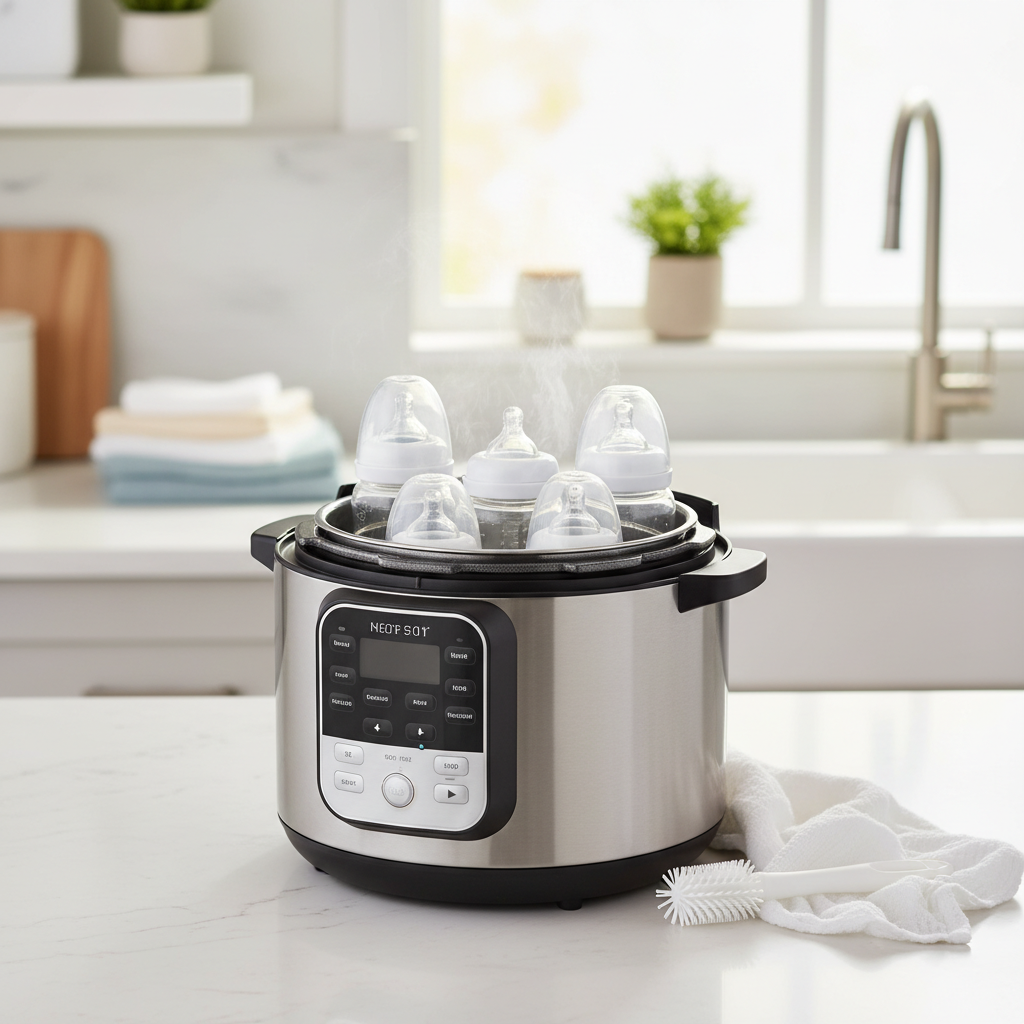
- Proper Loading: Arrange items in your sterilizer or pressure cooker to allow steam to circulate freely. For pressure cookers, use a steaming rack and ensure items don’t touch the bottom.
- Add Correct Water Amount: Follow manufacturer instructions for the exact amount of water needed for the steam cycle.
- Air Dry Safely: If your sterilizer doesn’t have a drying function, place sterilized items on a clean, dedicated drying rack away from potential contaminants.
- Regular Descaling: Mineral buildup from water can reduce efficiency. Descale your appliance regularly according to the manufacturer’s instructions, often using vinegar.
- Handle with Care: Always use clean tongs to remove hot, sterilized items to avoid burns and recontamination.
“For new parents, time is a precious commodity. Utilizing an electric pressure cooker or a dedicated sterilizer not only ensures the highest hygiene standards for baby feeding items but also frees up valuable moments to connect with your little one.” – Admin, ReviewKro.com
Conclusion
Choosing the best electric pressure cooker for sterilizing baby bottles, or a dedicated sterilizer, ultimately depends on your lifestyle and priorities. Multi-functional electric pressure cookers like the Instant Pot Duo Plus offer unparalleled versatility and effective steam sterilization, making them an excellent choice for parents seeking a single appliance to handle various kitchen tasks. Dedicated sterilizers, on the other hand, provide specialized efficiency with added benefits like integrated drying and extended sterile storage.
By understanding the key features, advantages, and usage guidelines of each option, you can make an informed decision that supports your baby’s health and simplifies your daily routine. Prioritize what matters most to your family – whether it’s multi-purpose utility or specialized convenience – to ensure your baby’s bottles are always hygienically prepared.
What aspects of bottle sterilization do you find most challenging in your daily routine?
Frequently Asked Questions
Is daily sterilization of baby bottles truly necessary?
Daily sterilization is generally recommended for infants under three months old, premature babies, or those with weakened immune systems for “extra protection.” For older, healthy babies, thorough cleaning with soap and hot water is often sufficient, but many parents choose to sterilize periodically or when the baby is sick.
How long does it take to sterilize baby bottles in an electric pressure cooker?
In an electric pressure cooker like an Instant Pot, sterilization typically takes about 1-5 minutes on the “Steam” or “Sterilize” setting once pressure is reached, plus the time for the cooker to come to pressure and release it. Dedicated sterilizer-dryers can sterilize and dry in as little as 10 minutes.
Can all types of baby bottles be sterilized in an electric pressure cooker?
Most glass and silicone baby bottles are safe for high-heat steam sterilization in an electric pressure cooker. For plastic bottles, always check the manufacturer’s guidelines to ensure they are autoclavable or can withstand high temperatures to prevent warping or damage.
What is the main difference between an electric pressure cooker and a dedicated baby bottle sterilizer?
An electric pressure cooker is a multi-functional appliance that can sterilize bottles as one of its many features, offering versatility and saving counter space. A dedicated baby bottle sterilizer is a single-purpose appliance specifically designed for sterilizing and often includes integrated drying and extended sterile storage features, providing a streamlined, hands-off process.