For years, the slow cooker has been a beloved kitchen staple, promising tender meals with minimal effort. But with the rise of the electric pressure cooker, a new era of rapid, convenient cooking is here. Imagine transforming your favorite “all-day” slow cooker recipes into quick, weeknight wonders. It’s entirely possible, and easier than you might think. This guide will walk you through the essential adjustments and smart strategies needed to seamlessly convert your cherished slow cooker recipes for your electric pressure cooker, ensuring delicious results every time. Get ready to unlock a world where your culinary creations are not only flavorful but also incredibly fast.
Understanding the Core Differences: Slow Cooker vs. Pressure Cooker
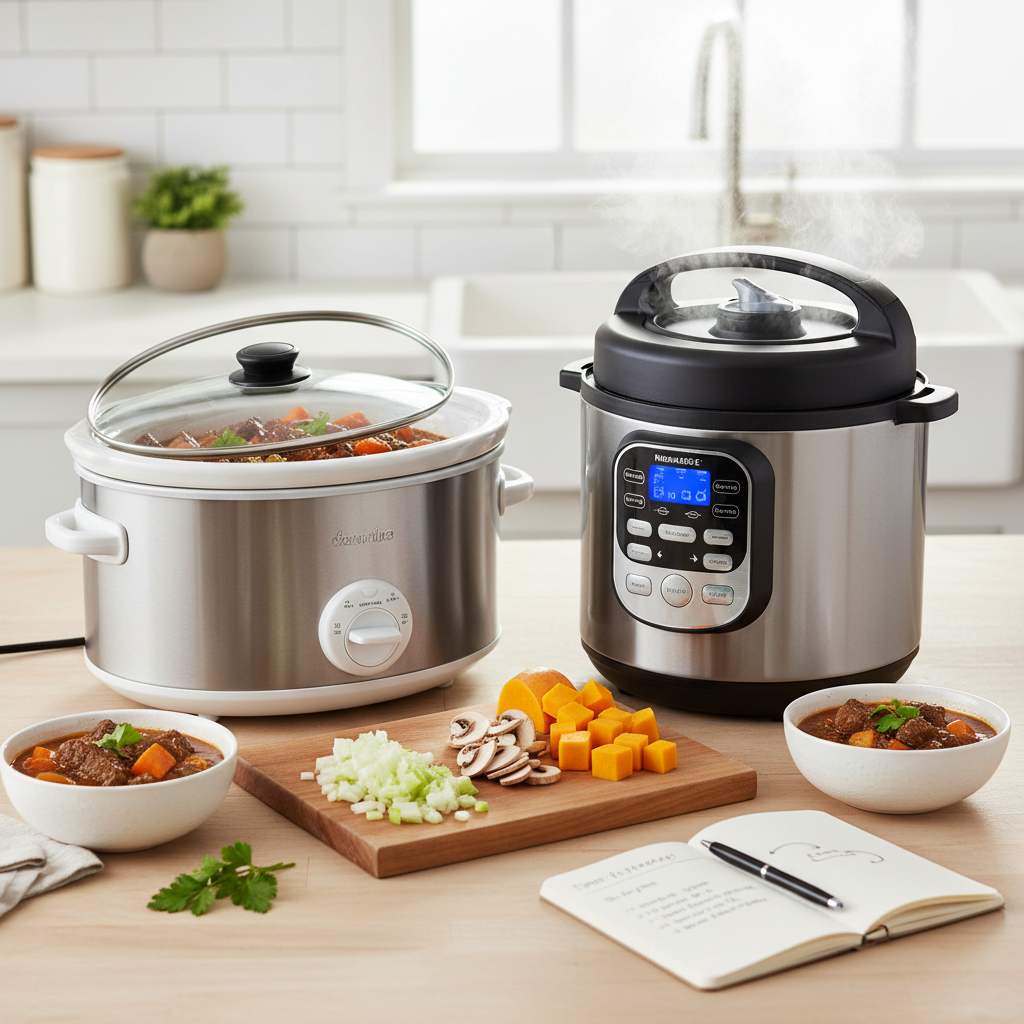
While both appliances excel at tenderizing tough cuts and simmering rich flavors, their fundamental operating principles are distinct. A slow cooker, as its name suggests, utilizes low, consistent heat over many hours, allowing moisture to gradually evaporate and flavors to slowly meld. This open, gentle environment is perfect for set-it-and-forget-it cooking.
In contrast, a pressure cooker operates in a sealed environment, building high-pressure steam that dramatically elevates the boiling point of liquids. This intense heat and pressure cook food at a significantly faster rate, intensely concentrating flavors with almost no liquid evaporation. Understanding these differences is the first step to successful recipe conversion.
Essential Steps to Convert Your Favorite Slow Cooker Recipes
Converting a recipe isn’t just about cutting down time; it’s about intelligently adapting the ingredient ratios and cooking methods to suit the pressure cooker’s unique dynamics.
Re-evaluating Liquid Content
One of the most critical adjustments is managing liquid. Slow cookers require ample liquid because a significant portion evaporates during the long cooking process. Pressure cookers, however, retain nearly all moisture.
- General Rule: Reduce the liquid in your original slow cooker recipe to about 1 to 2 cups. This is usually sufficient to create the necessary steam for pressure buildup without making your dish watery. Most pressure cookers require a minimum of 1 cup of thin liquid (water, broth, juice) to reach pressure safely.
- Exceptions: For dishes like soups or stews where you desire a larger volume of broth, you can maintain more liquid. For grains and beans, follow specific pressure cooker ratios for proper cooking and absorption, adding a little extra for other ingredients in the recipe.
- Troubleshooting: If your finished dish is too thin, simply use the pressure cooker’s “Sauté” function (with the lid off) to simmer and reduce the sauce to your desired consistency after pressure cooking.
|
Our Picks for the Best Electric pressure cooker in 2026
As an Amazon Associate I earn from qualifying purchases.
|
||
| Num | Product | Action |
|---|---|---|
| 1 | Midea 12-in-1 Electric Pressure Cooker, 8 Quarts, 12 Presets, Multi-Functional Programmable Slow Cooker, Rice Cooker, Steamer, Sauté Pan, Yogurt Maker, and More, Stainless Steel |

|
| 2 | DUMOS 16-in-1 Electric Pressure Cooker, 6QT Programmable Multi Cooker with 12 One-Touch Presets, Soup Steam Yogurt and More, Ceramic Inner Pot Delay Start & Keep Warm, Includes Recipe Guide, Black |
|
| 3 | Instant Pot Duo 7-in-1 Mini Electric Pressure Cooker, Slow Rice Cooker, Steamer, Sauté, Yogurt Maker, Warmer & Sterilizer, Includes Free App with over 1900 Recipes, Stainless Steel, 3 Quart |
|
| 4 | NEWBULIG 16-in-1 Electric Pressure Cooker, 6QT Multi Cooker with 12 Presets, Slow Cook Rice Steamer Sauté Soup Meat Stew Canning Yogurt Maker, Ceramic Inner Pot & Recipe Book Included, Silver |
|
| 5 | Sweetcrispy 16-in-1 Electric Pressure Cooker 6QT, 12-Preset Multi Cookers with Ceramic Pot, Slow Cook Rice Steamer Sauté Soup Yogurt Maker and More, Recipe Book |
|
| 6 | Ninja HyperHeat 9-in-1 6.5-qt Pressure Cooker | Steams, Slow Cooks, Sears, Sautés, Sous Vide, Yogurt & More | With SimpliServe Pot | Powerful 1200-Watt | Blue Macaron | PC201 |
|
| 7 | Sweetcrispy 16-in-1 Electric Pressure Cooker 6QT, 12-Preset Multi Cookers with Ceramic Pot, Slow Cook Rice Steamer Sauté Soup Yogurt Maker and More, Recipe Book |
|
| 8 | Instant Pot Duo 7-in-1 Electric Pressure Cooker, Slow Cooker, Rice Cooker, Steamer, Sauté, Yogurt Maker, Warmer & Sterilizer, Includes App with Over 800 Recipes, Stainless Steel, 8 Quart |
|
| 9 | COSORI Pressure Cooker 6QT, Stainless Steel, 9-in-1 Multi Cooker, 12 Safety Features, Ceramic Inner Pot, Rice, Slow Cook, Sous Vide, Saute, 1100W |
|
| 10 | Instant Pot Duo 7-in-1 Electric Pressure Cooker, Slow Cooker, Rice, Steamer, Sauté, Yogurt Maker, Warmer & Sterilizer, Includes App With Over 800 Recipes, Stainless Steel, 6 Quart |
|
Mastering the Art of Cooking Time Conversion
This is where the “instant” in Instant Pot truly shines. What takes hours in a slow cooker often takes mere minutes under pressure.
- General Guideline: A common rule of thumb is that a slow cooker recipe cooked for 8 hours on LOW or 4 hours on HIGH can be completed in approximately 25-30 minutes of high-pressure cooking [cite: 2, 3 in second search].
- Factors to Consider:
- Meat Size and Cut: Smaller pieces of meat will cook faster than large roasts. For thicker cuts or frozen meat, you might need to add an extra 5-10 minutes to the pressure cooking time [cite: 1 in second search].
- Ingredient Density: Denser ingredients take longer.
- Reference: Always consult your pressure cooker’s manual or reliable pressure cooker-specific recipe charts for precise cooking times for individual ingredients. A quick online search for an Instant Pot version of your slow cooker recipe can also provide excellent guidance.
Table: Slow Cooker to Pressure Cooker Time Conversion Guide
| Slow Cooker Setting & Time | Pressure Cooker (High Pressure) | Notes |
|---|---|---|
| 4 hours on HIGH | 25-30 minutes | For meats and stews [cite: 1, 2 in second search] |
| 8 hours on LOW | 25-30 minutes | For meats and stews [cite: 1, 2 in second search] |
| 2-3 hours on HIGH | 10-15 minutes | For poultry or softer vegetables |
| 6 hours on LOW | 15-20 minutes | For poultry or softer vegetables |
Strategically Managing Ingredients
Certain ingredients behave differently under high pressure and should be added at specific stages.
- Ingredients to Add Post-Pressure Cooking:
- Dairy Products (milk, cream, cheese, yogurt): These can curdle or scorch under high pressure. Stir them in after the pressure cooking cycle is complete and the pressure has been released [cite: 1, 3 in second search].
- Thickeners (cornstarch, flour, arrowroot): Thickening agents can prevent the pressure cooker from reaching proper pressure and may result in a “Burn” warning. Mix them with a small amount of water to create a slurry and whisk them into your dish after pressure cooking, then use the “Sauté” function to thicken [cite: 1, 3 in second search].
- Wine/Alcohol: Alcohol doesn’t evaporate under pressure, which can leave a raw, tart flavor. Add wine or alcohol after pressure cooking and simmer briefly to allow it to cook off [cite: 3 in second search].
- Ingredients to Reconsider:
- Crispy Coatings: Pressure cooking relies on steam, so any fried or crispy coatings will become soggy. Save these recipes for other methods [cite: 3 in second search].
- Tender Meat Cuts: Pressure cooking excels at breaking down tough cuts of meat. Very tender or expensive cuts like T-bone steaks can become overcooked and lose quality under pressure [cite: 3 in second search].
- Browning Meats: Many slow cooker recipes call for browning meat beforehand to build flavor. This step is still valuable in a pressure cooker and can often be done directly in the pot using the “Sauté” function before pressure cooking.
Choosing the Right Pressure Release Method
The way you release pressure can significantly impact the final texture of your food.
- Natural Pressure Release (NPR):
- When to Use: This method is ideal for meat, stews, and dishes with high liquid content. It allows the pressure to dissipate slowly, enabling the food to rest and reabsorb moisture, resulting in more tender and juicy results [cite: 1, 5 in second search].
- How it Works: After cooking, you do nothing. The pressure slowly drops on its own.
- Quick Release (QR):
- When to Use: Best for delicate vegetables, pasta, and seafood to prevent them from overcooking and becoming mushy [cite: 1 in second search].
- How it Works: Manually open the steam release valve to quickly vent the pressure. Be cautious of the hot steam.
Optimizing Pot Capacity and Staged Cooking
Proper pot management ensures even cooking and prevents issues.
- Filling Limits: Never fill your pressure cooker beyond the 2/3 full line. For foods that expand (like rice, beans, or pasta), fill only to the halfway mark to allow for expansion and safe operation [cite: 3 in first search].
- Staged Cooking: If your recipe includes ingredients with vastly different cooking times, consider cooking in stages. For instance, pressure cook tougher meats first. Once done, perform a quick release, add faster-cooking vegetables, and then pressure cook for a shorter secondary cycle or finish by simmering. This prevents delicate ingredients from turning to mush [cite: 3, 4 in first search; 5 in second search].
Expert Tips for Flawless Conversions
- Start Simple: Begin your conversion journey with straightforward meat and soup recipes before tackling more complex dishes. This builds confidence and understanding.
- Layering Ingredients: To prevent “Burn” warnings, always ensure sufficient thin liquid is at the bottom of the pot. Ingredients that need longer to cook (like meat) can go in next, followed by quicker-cooking items. Using a trivet can also keep some ingredients above the liquid.
- Embrace Experimentation: Every pressure cooker model can vary slightly, and personal preferences differ. Don’t be afraid to adjust times and liquid amounts after your first attempt. Take notes!
- Don’t Overcrowd: While a pressure cooker cooks quickly, overloading it can affect performance and results. Stick to the recommended fill lines.
Conclusion
Converting your beloved slow cooker recipes to a pressure cooker is a fantastic way to enjoy your favorite meals in a fraction of the time. By understanding the core differences in cooking methods and making key adjustments to liquid content, cooking times, and ingredient handling, you can confidently transform your culinary repertoire. From hearty stews to tender meats, your electric pressure cooker offers a convenient and efficient path to deliciousness. So, gather your slow cooker cookbooks, choose a favorite, and embark on a new cooking adventure. What slow cooker recipe will you transform first?
Frequently Asked Questions
What is the biggest difference when converting a slow cooker recipe to a pressure cooker?
The most significant difference lies in liquid management and cooking duration. Pressure cookers require significantly less liquid due to minimal evaporation and drastically reduce cooking times, while slow cookers rely on slow, moist heat over extended periods with more liquid evaporation [cite: 1, 2, 4, 5 in first search; 1, 2, 3, 4, 5 in second search].
Can all slow cooker recipes be converted to a pressure cooker?
While many slow cooker recipes are excellent candidates for conversion, some may not be ideal. Recipes with crispy coatings, very tender cuts of meat, or those heavily reliant on dairy or thickeners that are intended to be pressure cooked might require substantial modification or be better suited for their original slow cooker method [cite: 5 in first search; 3 in second search].
How do I adjust the cooking time for meat and vegetables cooked together?
For recipes where meat and vegetables have different cooking requirements, consider staged cooking. Pressure cook the meat first, then perform a quick release, add the quicker-cooking vegetables, and pressure cook again for a shorter duration or finish by simmering to prevent overcooking the vegetables [cite: 3, 4 in first search; 5 in second search].
What if my pressure cooker recipe is too watery after conversion?
It’s common for pressure cooker dishes to be more liquidy due to the lack of evaporation. If your recipe is too watery, you can use the “Sauté” function after pressure release to simmer the sauce with the lid off, allowing excess liquid to evaporate and thicken to your desired consistency. You can also whisk in a cornstarch or arrowroot slurry at this stage [cite: 3, 5 in second search].
What is the best way to release pressure for converted recipes?
For meats and stews, Natural Pressure Release (NPR) is generally recommended as it allows the food to rest, absorb juices, and become more tender. For delicate foods such as vegetables, pasta, or seafood, a Quick Release (QR) is preferable to stop the cooking process rapidly and prevent overcooking [cite: 1, 5 in second search].