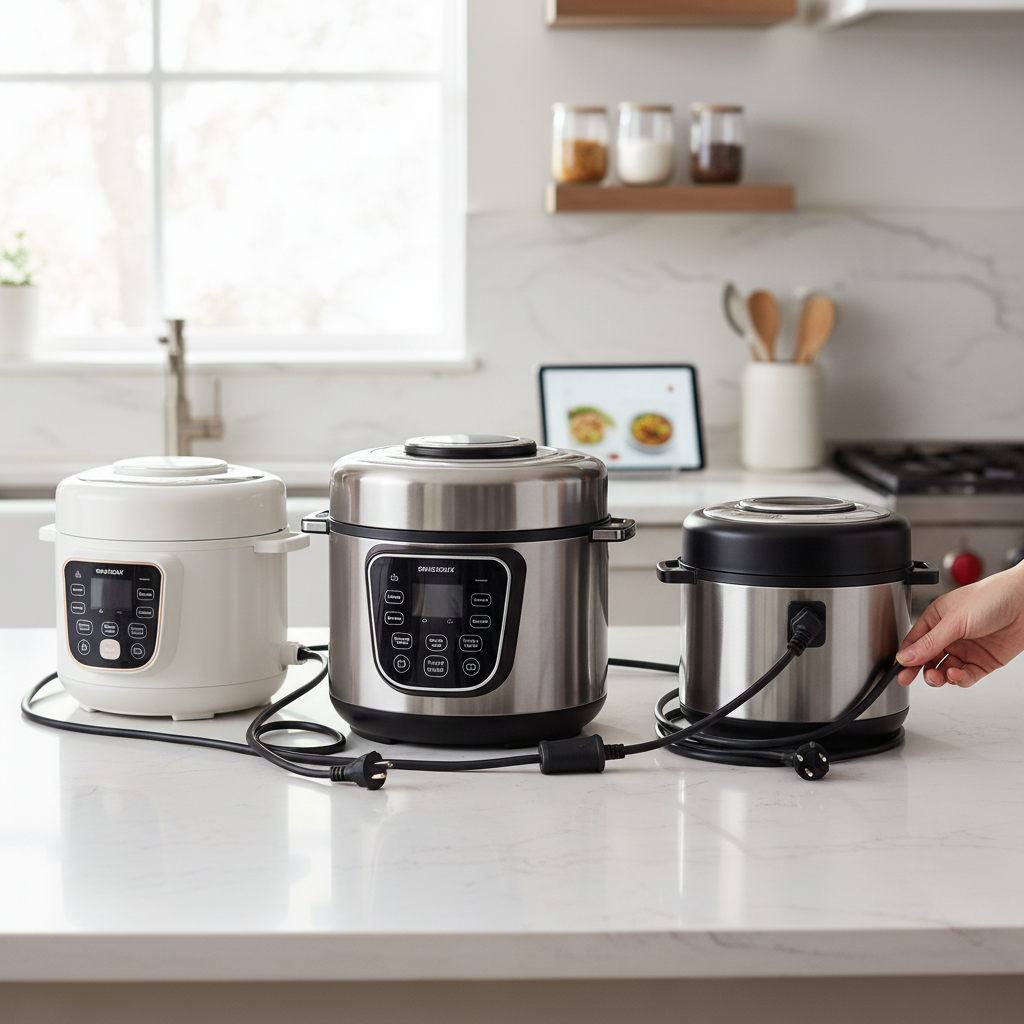
The modern kitchen is a playground of innovation, and few appliances promise the marvel of speed quite like the pressure cooker. Whether you’re a seasoned chef or a home cook looking to shave hours off meal prep, the choice between a traditional stovetop model and its electric, multi-functional counterpart often comes down to one crucial factor: speed. But is one truly faster than the other, and what hidden trade-offs lie beneath the surface? This article dives into a head-to-head speed test, dissecting the engineering and practicalities of both types to help you decide which powerhouse deserves a spot in your kitchen.
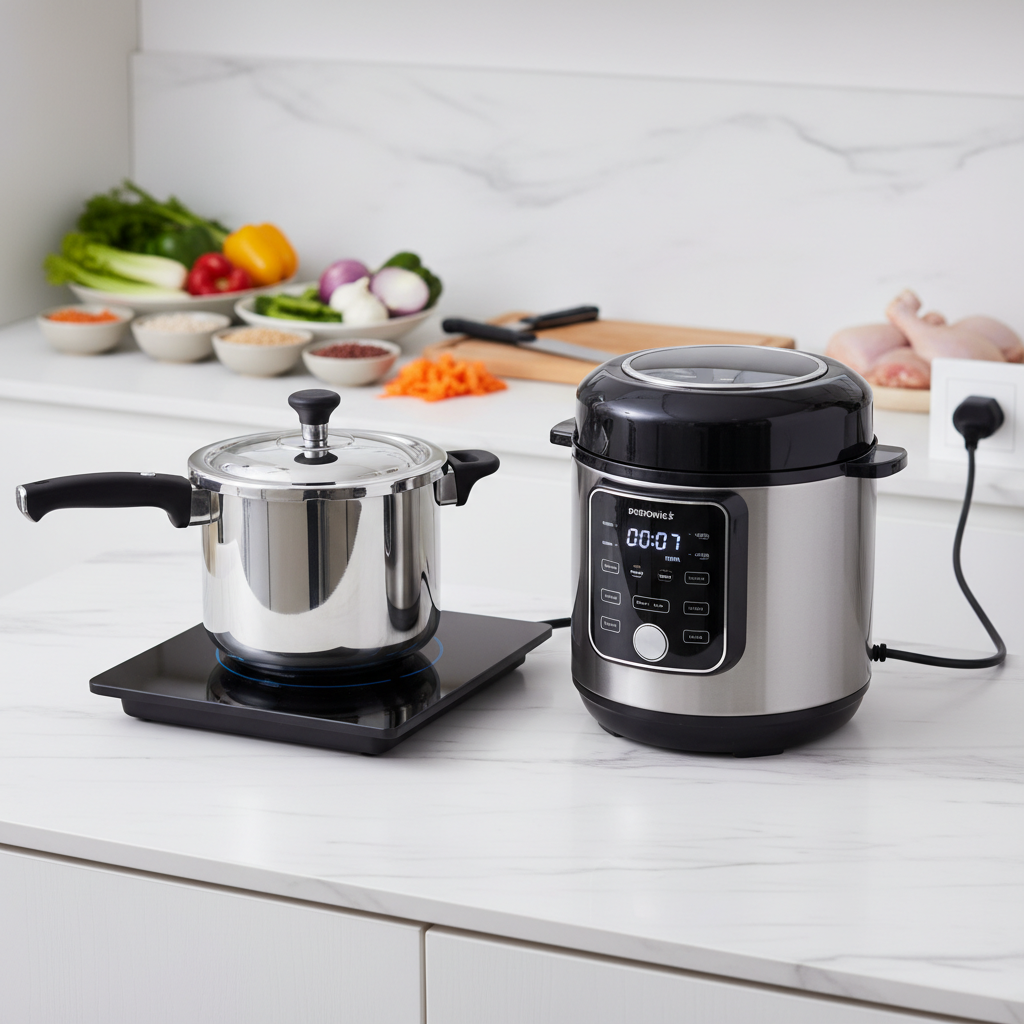
Understanding Pressure Cooking: The Science of Speed
At its core, pressure cooking is a simple yet revolutionary concept. By sealing food in a pot and increasing the internal pressure, the boiling point of water is elevated. This means food cooks at a much higher temperature than it would in an open pot, drastically reducing cooking times and infusing flavors more deeply. The key metric governing this accelerated process is Pounds per Square Inch (PSI). A higher PSI translates to a higher internal temperature, leading to faster cooking. Understanding this fundamental principle is vital when comparing stovetop and electric models.
Stovetop Pressure Cookers: Raw Power and Precision
Stovetop pressure cookers are the workhorses of the pressure cooking world, known for their robust construction and direct heat application. They operate by placing the sealed pot directly onto a heat source – gas, electric, or induction stovetops. This direct heat transfer allows for rapid heating and precise temperature control, particularly for experienced users.
When it comes to speed, stovetop models generally hold a significant advantage. They typically reach a higher operating pressure, often around 15 PSI (103 kPa), which allows food to cook at approximately 250°F (121°C). This higher pressure means ingredients cook faster and with greater intensity. In speed tests, a stovetop model powered by gas reached 15 PSI in as little as 6 minutes and 22 seconds. This rapid ascent to pressure is a major factor in their overall efficiency.
-
Pros:
- Faster Cooking: Achieves higher PSI, leading to quicker cooking times.
- Quick Heat-Up: Generally reaches desired pressure faster than electric models.
- Cost-Effective: Often more affordable, especially smaller basic models.
- Canning Capability: Many stovetop models are suitable for pressure canning.
- Searing Performance: Excellent for high-heat searing before pressure cooking.
-
Cons:
- Requires Vigilance: Needs constant monitoring of heat and pressure.
- Less Automation: Manual control means you can’t “set it and forget it.”
- Can Be Intimidating: The hissing and jiggling can be a learning curve for beginners.
Electric Pressure Cookers: Convenience Meets Modern Tech
Electric pressure cookers, popularized by brands like Instant Pot, integrate a heating element and microprocessors into a single, countertop appliance. They offer a user-friendly experience with pre-programmed settings and automated functions.
While electric models offer unparalleled convenience, they typically operate at a slightly lower “high” pressure, often between 11.6 and 12.1 PSI (80-83 kPa). This translates to a cooking temperature of about 242°F (116°C), which is approximately 8°F (4.5°C) lower than the standard for stovetop models. This difference means that while they still cook significantly faster than conventional methods, electric pressure cookers can take longer than stovetop versions for the same dish. For instance, some recipes may require an additional 25% cooking time in an electric model to achieve similar results, and one documented example showed an electric cooker taking 15 minutes longer for a kalua pig recipe. Moreover, electric models generally take longer to come up to pressure. A comparative test showed an electric multicooker taking 11 minutes and 18 seconds to reach pressure, a substantial 4.5-minute delay compared to its stovetop counterpart.
-
Pros:
- Automated & Convenient: “Set-it-and-forget-it” functionality with digital controls and timers.
- Multi-functional: Often includes slow cooking, sautéing, yogurt making, and more.
- Safety Features: Equipped with multiple safety mechanisms for peace of mind.
- Countertop Appliance: Frees up stovetop space.
-
Cons:
- Slower Cooking: Operates at a lower PSI, leading to slightly longer overall cooking times.
- Longer Heat-Up: Takes more time to reach operating pressure.
- Generally More Expensive: Due to integrated technology and multiple features.
- Bulkier: Can take up more countertop and storage space.
- Gasket Odor Retention: Silicone gaskets may absorb food smells, sometimes requiring multiple gaskets for different dishes.
- Not for Canning: Most electric models are not recommended for safe pressure canning.
The Head-to-Head Speed Test: Stovetop Takes the Lead
When the stopwatch starts, stovetop pressure cookers generally win the race for raw speed. Their ability to reach higher PSI and faster heat-up times translates directly into quicker cooking cycles. The 8°F difference in boiling point, while seemingly small, compounds over cooking time to create a noticeable gap. For dishes requiring intense heat and rapid cooking, like tough cuts of meat or dried beans, the stovetop model’s higher pressure ensures a more vigorous and expeditious cook.
However, the “speed test” isn’t just about the time under pressure. It also encompasses the “hands-on” time. While a stovetop unit might finish cooking quicker, it demands your presence and adjustments. An electric pressure cooker, despite taking longer, allows you to walk away once it’s set, contributing to a different kind of time-saving – freeing up your personal time.
Beyond Speed: Which Pressure Cooker is Right for You?
Choosing between a stovetop and an electric pressure cooker extends beyond mere cooking speed. Your ideal choice depends heavily on your lifestyle, cooking habits, and specific needs.
Determining Your Usage Needs
- Family Size and Frequency: For larger families or frequent batch cooking, a larger capacity (often available in both, but electric models tend to be 6-quart averages) is crucial.
- Common Dishes: If you primarily cook recipes that benefit from high pressure (e.g., tough meats, grains), the stovetop’s power might appeal more. If you want versatility for yogurt, slow cooking, etc., an electric multi-cooker is superior.
|
Our Picks for the Best Electric pressure cooker in 2026
As an Amazon Associate I earn from qualifying purchases.
|
||
| Num | Product | Action |
|---|---|---|
| 1 | COSORI Pressure Cooker 6QT, Stainless Steel, 9-in-1 Multi Cooker, 12 Safety Features, Ceramic Inner Pot, Rice, Slow Cook, Sous Vide, Saute, 1100W |

|
| 2 | DUMOS 16-in-1 Electric Pressure Cooker, 6QT Programmable Multi Cooker with 12 One-Touch Presets, Soup Steam Yogurt and More, Ceramic Inner Pot Delay Start & Keep Warm, Includes Recipe Guide, Black |
|
| 3 | Sweetcrispy 16-in-1 Electric Pressure Cooker 6QT, 12-Preset Multi Cookers with Ceramic Pot, Slow Cook Rice Steamer Sauté Soup Yogurt Maker and More, Recipe Book |
|
| 4 | Ninja HyperHeat 9-in-1 6.5-qt Pressure Cooker | Steams, Slow Cooks, Sears, Sautés, Sous Vide, Yogurt & More | With SimpliServe Pot | Powerful 1200-Watt | Blue Macaron | PC201 |
|
| 5 | Instant Pot Duo 7-in-1 Electric Pressure Cooker, Slow Cooker, Rice, Steamer, Sauté, Yogurt Maker, Warmer & Sterilizer, Includes App With Over 800 Recipes, Stainless Steel, 6 Quart |
|
| 6 | Sweetcrispy 16-in-1 Electric Pressure Cooker 6QT, 12-Preset Multi Cookers with Ceramic Pot, Slow Cook Rice Steamer Sauté Soup Yogurt Maker and More, Recipe Book |
|
| 7 | Instant Pot Duo 7-in-1 Mini Electric Pressure Cooker, Slow Rice Cooker, Steamer, Sauté, Yogurt Maker, Warmer & Sterilizer, Includes Free App with over 1900 Recipes, Stainless Steel, 3 Quart |
|
| 8 | NEWBULIG 16-in-1 Electric Pressure Cooker, 6QT Multi Cooker with 12 Presets, Slow Cook Rice Steamer Sauté Soup Meat Stew Canning Yogurt Maker, Ceramic Inner Pot & Recipe Book Included, Silver |
|
| 9 | Midea 12-in-1 Electric Pressure Cooker, 8 Quarts, 12 Presets, Multi-Functional Programmable Slow Cooker, Rice Cooker, Steamer, Sauté Pan, Yogurt Maker, and More, Stainless Steel |
|
| 10 | Instant Pot Duo 7-in-1 Electric Pressure Cooker, Slow Cooker, Rice Cooker, Steamer, Sauté, Yogurt Maker, Warmer & Sterilizer, Includes App with Over 800 Recipes, Stainless Steel, 8 Quart |
|
Key Selection Criteria
- Capacity: Match the pot size to your family’s needs. Remember that you should never fill a pressure cooker more than two-thirds full (or half full for foamy foods).
- Power/PSI: If maximum speed is your priority, opt for a stovetop model that reaches 15 PSI.
- Liner Material: Non-stick and stainless steel are common. Stainless steel is durable, while non-stick offers easier cleanup.
- Features: Consider digital displays, preset programs, delayed start, and keep-warm functions offered by electric models. Stovetop models prioritize simplicity.
- Brand Reputation: Choose reputable brands with good warranty and customer support.
- Price: Stovetop models can be found for as little as $40, while premium electric multicookers can exceed $120.
Important Usage Tips
Regardless of your choice, safe and effective pressure cooking relies on a few universal rules:
- Read the Manual: Always familiarize yourself with your specific model’s instructions and safety guidelines.
- Do Not Overfill: Never exceed the maximum fill lines to prevent blockages and ensure safe operation.
- Regular Cleaning: Keep all valves, gaskets, and sealing rings clean and free of food debris. Check the vent release valve before each use.
- Proper Pressure Release: Understand natural, quick, and pulse release methods for your cooker.
“While stovetop pressure cookers often outperform electric models in sheer cooking velocity due to higher PSI, the true value lies in how it integrates into your daily routine. Convenience can be just as important as speed for many home cooks.”
Conclusion
In the definitive speed test, stovetop pressure cookers generally emerge as the champions, offering higher pressures and faster heat-up times that translate to quicker cooking. This makes them ideal for those who prioritize raw cooking speed, precise control, and perhaps the ability to do traditional canning. However, the modern electric pressure cooker offers a compelling alternative, trading a fraction of cooking speed for unparalleled convenience, automation, and multi-functional capabilities.
Ultimately, the “best” pressure cooker isn’t about one type dominating the other; it’s about aligning the appliance with your personal cooking style, budget, and desired level of involvement. Do you crave the hands-on control and blistering speed of a stovetop classic, or do you prefer the set-it-and-forget-it ease and versatile features of an electric marvel? Your choice will shape your culinary journey, making once time-consuming meals a swift and simple pleasure.
Câu Hỏi Thường Gặp
How much faster is a stovetop pressure cooker compared to an electric one?
Stovetop pressure cookers can be significantly faster, primarily because they operate at a higher PSI (15 PSI vs. 11.6-12.1 PSI for electric models). This allows them to cook at a higher temperature, reducing overall cooking times. They also tend to come to pressure faster, sometimes several minutes quicker than electric models, adding to the total time saved.
Can electric pressure cookers achieve 15 PSI?
Most standard electric pressure cookers typically do not reach the full 15 PSI that stovetop models achieve. They usually operate around 11.6-12.1 PSI. While some advanced electric models may claim higher pressure settings, true 15 PSI operation is more characteristic of traditional stovetop units.
Are stovetop pressure cookers safe to use?
Yes, modern stovetop pressure cookers are very safe, equipped with multiple safety features such as redundant pressure release valves and locking lids. The key to safe operation is always reading the manual, not overfilling the cooker, and regularly cleaning the vent to prevent blockages.
Why do electric pressure cookers take longer to come to pressure?
Electric pressure cookers have an integrated heating element that is typically less powerful than the direct heat from a stovetop burner. This means it takes more time for the liquid inside to heat up and for the cooker to build the necessary internal pressure before the cooking time officially begins.
What is the main advantage of an electric pressure cooker beyond speed?
The main advantage of an electric pressure cooker is its convenience and versatility. It offers automated cooking with preset programs, a “set-it-and-forget-it” functionality, and often combines multiple appliances into one (slow cooker, rice cooker, yogurt maker), freeing up stovetop space and requiring less hands-on monitoring.