Electric pressure cookers are game-changers in the kitchen, dramatically cutting down cooking times while locking in flavor and nutrients. But the magic of pressure cooking hinges entirely on one critical component: the valve system. Neglecting these small but mighty parts can not only compromise your meal but also pose serious safety risks. This comprehensive guide is designed to empower you with the knowledge to perform essential valve safety checks before every cook, ensuring your culinary adventures are both delicious and hazard-free.
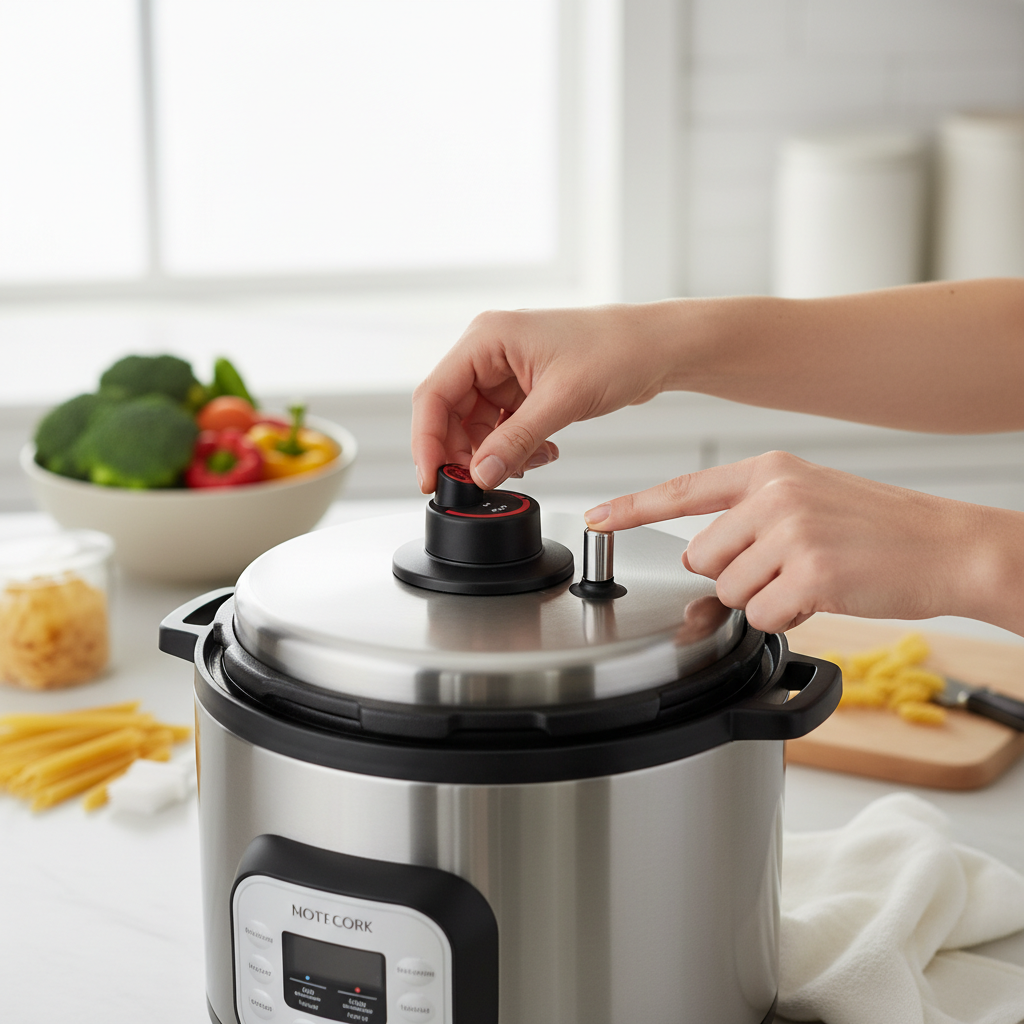
Understanding the various valves and their roles is the first step towards safe pressure cooking. Modern electric pressure cookers typically feature a main steam release valve (also known as the vent valve or pressure regulator), a float valve, and a safety valve. The steam release valve manages the expulsion of steam to regulate internal pressure, while the float valve acts as a visual indicator of pressure and a locking mechanism to prevent the lid from opening prematurely. The safety valve is a critical backup, designed to automatically release excess pressure in case of a malfunction. Each of these components must be in pristine condition to function correctly, safeguarding your cooking process and extending the lifespan of your appliance.
Your Essential Pre-Cook Valve Safety Checklist
Before embarking on any cooking session with your electric pressure cooker, a thorough inspection of its valve system is non-negotiable. This proactive approach takes just a few moments but can prevent potential hazards and ensure optimal cooking performance.
1. Inspect the Steam Release Valve (Vent Valve)
|
Our Picks for the Best Electric pressure cooker in 2026
As an Amazon Associate I earn from qualifying purchases.
|
||
| Num | Product | Action |
|---|---|---|
| 1 | COSORI Pressure Cooker 6QT, Stainless Steel, 9-in-1 Multi Cooker, 12 Safety Features, Ceramic Inner Pot, Rice, Slow Cook, Sous Vide, Saute, 1100W |

|
| 2 | Instant Pot Duo 7-in-1 Mini Electric Pressure Cooker, Slow Rice Cooker, Steamer, Sauté, Yogurt Maker, Warmer & Sterilizer, Includes Free App with over 1900 Recipes, Stainless Steel, 3 Quart |
|
| 3 | Midea 12-in-1 Electric Pressure Cooker, 8 Quarts, 12 Presets, Multi-Functional Programmable Slow Cooker, Rice Cooker, Steamer, Sauté Pan, Yogurt Maker, and More, Stainless Steel |
|
| 4 | Sweetcrispy 16-in-1 Electric Pressure Cooker 6QT, 12-Preset Multi Cookers with Ceramic Pot, Slow Cook Rice Steamer Sauté Soup Yogurt Maker and More, Recipe Book |
|
| 5 | Instant Pot Duo 7-in-1 Electric Pressure Cooker, Slow Cooker, Rice Cooker, Steamer, Sauté, Yogurt Maker, Warmer & Sterilizer, Includes App with Over 800 Recipes, Stainless Steel, 8 Quart |
|
| 6 | Ninja HyperHeat 9-in-1 6.5-qt Pressure Cooker | Steams, Slow Cooks, Sears, Sautés, Sous Vide, Yogurt & More | With SimpliServe Pot | Powerful 1200-Watt | Blue Macaron | PC201 |
|
| 7 | DUMOS 16-in-1 Electric Pressure Cooker, 6QT Programmable Multi Cooker with 12 One-Touch Presets, Soup Steam Yogurt and More, Ceramic Inner Pot Delay Start & Keep Warm, Includes Recipe Guide, Black |
|
| 8 | Sweetcrispy 16-in-1 Electric Pressure Cooker 6QT, 12-Preset Multi Cookers with Ceramic Pot, Slow Cook Rice Steamer Sauté Soup Yogurt Maker and More, Recipe Book |
|
| 9 | NEWBULIG 16-in-1 Electric Pressure Cooker, 6QT Multi Cooker with 12 Presets, Slow Cook Rice Steamer Sauté Soup Meat Stew Canning Yogurt Maker, Ceramic Inner Pot & Recipe Book Included, Silver |
|
| 10 | Instant Pot Duo 7-in-1 Electric Pressure Cooker, Slow Cooker, Rice, Steamer, Sauté, Yogurt Maker, Warmer & Sterilizer, Includes App With Over 800 Recipes, Stainless Steel, 6 Quart |
|
The steam release valve is your primary control for managing pressure. Before each use, visually inspect this valve for any signs of obstruction. Food particles, grease, or dried liquids can easily clog the small opening, preventing proper steam release or pressure buildup. Ensure it can move freely (if it’s a manual type) and that there is no debris blocking its path. Some models have removable components that should be disassembled and cleaned regularly according to your owner’s manual.
2. Examine the Float Valve
The float valve is a small pin, often silver or red, that rises when pressure builds inside the cooker and drops when pressure is released. This mechanism also typically locks the lid when under pressure. It is crucial to ensure this pin can move freely up and down without sticking. Check for any food residue or foreign objects around the float valve’s base, both on the exterior and interior of the lid. Some float valves have a small silicone gasket on the inside of the lid; ensure this gasket is clean, intact, and properly seated, as it’s vital for sealing.
3. Check the Safety Valve
While less frequently activated, the safety valve is your pressure cooker’s last line of defense. This valve is usually a small button or plug that pops up or releases steam if the main pressure release system fails. Before cooking, ensure the safety valve is clear of any obstructions and appears undamaged. It should not be stuck in an “up” or “down” position due to debris. Refer to your manual to locate and understand the specific safety valve design of your model.
4. Inspect the Sealing Ring/Gasket
Though not a valve itself, the sealing ring (gasket) works in tandem with the valves to maintain pressure. It’s the large, flexible rubber or silicone ring located inside the lid. Before every cook, remove and inspect the sealing ring for any cracks, tears, dryness, discoloration, or food debris. A compromised sealing ring will prevent pressure from building correctly and can cause steam to escape, affecting the performance of your valves. Ensure it’s clean and properly seated in its groove before closing the lid. If you notice any damage, replace it immediately with a manufacturer-approved part.
“A well-maintained valve system isn’t just about cooking efficiently; it’s about safeguarding your kitchen and ensuring years of reliable use from your electric pressure cooker.” – Admin, ReviewKro.com, Electric Pressure Cooker Expert
Maintaining Valve Health and General Safety Practices
Beyond the pre-cook checks, consistent maintenance and adherence to general safety guidelines are paramount for the longevity and safe operation of your electric pressure cooker.
- Regular Cleaning: Always clean your pressure cooker, especially the lid and all valve components, immediately after each use. Use warm, soapy water and a soft brush or a small tool (like a toothpick or the cleaning pin often provided by the manufacturer) to dislodge any stubborn food particles from valve openings.
- Consult Your Manual: Your electric pressure cooker’s manual is an invaluable resource. It contains specific instructions for disassembling, cleaning, and reassembling the valves for your particular model. Always follow these guidelines to ensure proper function.
- Avoid Overfilling: Never fill your pressure cooker beyond two-thirds capacity (or half-capacity for foods that expand, like rice or beans). Overfilling can cause food to block the valves, leading to dangerous pressure issues.
- Use Sufficient Liquid: Pressure cookers require liquid to create steam and build pressure. Always add at least the minimum amount of liquid specified in your recipe or manual to prevent overheating and ensure safe operation.
- Never Force the Lid: If the lid feels stuck after cooking, it means there’s still pressure inside. Wait for the float valve to drop and the pressure indicator to signal it’s safe before attempting to open it. Forcing the lid can lead to a dangerous spray of hot food or liquid.
By meticulously checking and maintaining your electric pressure cooker’s valves, you are taking a crucial step towards safe and successful pressure cooking. These simple habits ensure that your appliance operates as intended, allowing you to enjoy all the benefits of this modern kitchen marvel without worry. What other daily safety checks do you perform in your kitchen?
Frequently Asked Questions
What happens if the pressure cooker valve is clogged?
If the pressure cooker valve is clogged, it can prevent proper pressure from building up or releasing. This can lead to undercooked food, and more critically, it can cause excessive pressure to build inside the cooker, potentially leading to malfunctions or even dangerous incidents. Regular cleaning is essential to prevent blockages.
How do I know if my float valve is working correctly?
You can check your float valve by gently pushing it up and down before cooking to ensure it moves freely without resistance. During cooking, it should rise and lock the lid when pressure builds, and then drop back down when pressure is fully released, allowing you to open the lid safely.
How often should I replace the sealing ring?
The sealing ring should be replaced every 12 to 18 months, or sooner if you notice any signs of wear and tear such as cracks, stiffness, stickiness, or if it no longer seals properly. Frequent use or cooking strong-smelling foods might necessitate more frequent replacement to maintain optimal performance and prevent odors.