Maintaining the safety and efficiency of your electric pressure cooker is paramount, and a critical component in this endeavor is the steam release valve. This often-overlooked part, crucial for regulating pressure, can accumulate food debris and residue, compromising your appliance’s performance and safety. As an admin with over a decade of experience with electric pressure cookers, I’ve seen firsthand how proper maintenance can extend a cooker’s life and ensure delicious, safe meals. This guide will walk you through the simple, DIY steps to thoroughly clean your steam release valve, ensuring your electric pressure cooker remains in top condition.
Why Cleaning Your Steam Release Valve is Crucial
The steam release valve, sometimes referred to as the pressure release handle or exhaust valve, is a vital safety mechanism on your electric pressure cooker. It’s responsible for venting steam to depressurize the pot after cooking, and its proper functioning is non-negotiable for safe operation. Over time, food particles, grease, and mineral deposits from steam can build up within and around the valve, leading to blockages. A clogged valve can prevent steam from releasing properly, potentially leading to over-pressurization, or it might cause the valve to leak, hindering the cooker from reaching optimal pressure. Regular cleaning ensures consistent performance, prevents unpleasant odors, and, most importantly, maintains the safety integrity of your appliance.
Essential Tools and Materials for Cleaning
Cleaning your electric pressure cooker’s steam release valve is a straightforward task that requires minimal tools, most of which you likely already have in your kitchen. Before you begin, gather the following:
- Dish soap: A mild dishwashing liquid is effective for cutting grease and removing food residue.
- Warm water: For rinsing and soaking.
- Soft cloth or sponge: For wiping and general cleaning.
- Small brush (optional but recommended): A toothbrush, bottle brush, or a specialized cleaning brush can help reach tight spaces and dislodge stubborn particles.
- White vinegar (optional): Excellent for tackling lingering odors or mineral deposits.
- Baking soda (optional): Can be used with vinegar for a gentle abrasive scrub or odor neutralization.
- Paper towels or a clean drying cloth: To ensure all parts are thoroughly dry before reassembly.
Step-by-Step Guide to Cleaning Your Steam Release Valve
Follow these steps carefully to ensure a complete and safe cleaning of your electric pressure cooker’s steam release valve.
Step 1: Prioritize Safety – Unplug and Depressurize
|
Our Picks for the Best Electric pressure cooker in 2026
As an Amazon Associate I earn from qualifying purchases.
|
||
| Num | Product | Action |
|---|---|---|
| 1 | Instant Pot Duo 7-in-1 Electric Pressure Cooker, Slow Cooker, Rice Cooker, Steamer, Sauté, Yogurt Maker, Warmer & Sterilizer, Includes App with Over 800 Recipes, Stainless Steel, 8 Quart |

|
| 2 | Midea 12-in-1 Electric Pressure Cooker, 8 Quarts, 12 Presets, Multi-Functional Programmable Slow Cooker, Rice Cooker, Steamer, Sauté Pan, Yogurt Maker, and More, Stainless Steel |
|
| 3 | Ninja HyperHeat 9-in-1 6.5-qt Pressure Cooker | Steams, Slow Cooks, Sears, Sautés, Sous Vide, Yogurt & More | With SimpliServe Pot | Powerful 1200-Watt | Blue Macaron | PC201 |
|
| 4 | Instant Pot Duo 7-in-1 Electric Pressure Cooker, Slow Cooker, Rice, Steamer, Sauté, Yogurt Maker, Warmer & Sterilizer, Includes App With Over 800 Recipes, Stainless Steel, 6 Quart |
|
| 5 | NEWBULIG 16-in-1 Electric Pressure Cooker, 6QT Multi Cooker with 12 Presets, Slow Cook Rice Steamer Sauté Soup Meat Stew Canning Yogurt Maker, Ceramic Inner Pot & Recipe Book Included, Silver |
|
| 6 | Instant Pot Duo 7-in-1 Mini Electric Pressure Cooker, Slow Rice Cooker, Steamer, Sauté, Yogurt Maker, Warmer & Sterilizer, Includes Free App with over 1900 Recipes, Stainless Steel, 3 Quart |
|
| 7 | Sweetcrispy 16-in-1 Electric Pressure Cooker 6QT, 12-Preset Multi Cookers with Ceramic Pot, Slow Cook Rice Steamer Sauté Soup Yogurt Maker and More, Recipe Book |
|
| 8 | Sweetcrispy 16-in-1 Electric Pressure Cooker 6QT, 12-Preset Multi Cookers with Ceramic Pot, Slow Cook Rice Steamer Sauté Soup Yogurt Maker and More, Recipe Book |
|
| 9 | COSORI Pressure Cooker 6QT, Stainless Steel, 9-in-1 Multi Cooker, 12 Safety Features, Ceramic Inner Pot, Rice, Slow Cook, Sous Vide, Saute, 1100W |
|
| 10 | DUMOS 16-in-1 Electric Pressure Cooker, 6QT Programmable Multi Cooker with 12 One-Touch Presets, Soup Steam Yogurt and More, Ceramic Inner Pot Delay Start & Keep Warm, Includes Recipe Guide, Black |
|
Before attempting any cleaning or maintenance on your electric pressure cooker, safety must be your absolute priority. Ensure the appliance is completely unplugged from the power outlet and has cooled down entirely. Crucially, confirm that all internal pressure has been released. Never attempt to remove parts or clean the valve while the cooker is hot or under pressure. This prevents accidental burns and ensures there is no risk of the appliance turning on unintentionally.
Step 2: Detach the Steam Release Handle and Anti-Block Shield
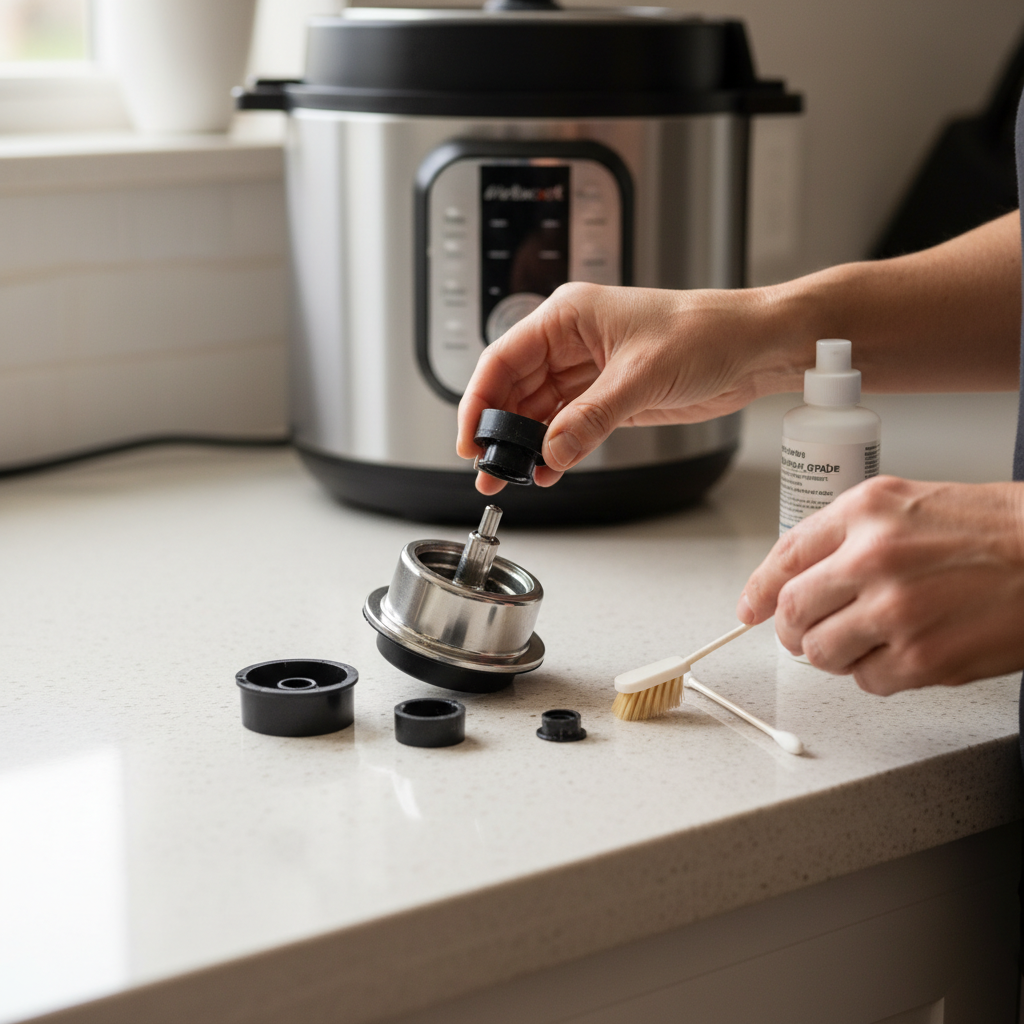
Most electric pressure cooker models, like the popular Instant Pot, feature a removable steam release handle or knob that sits on top of the lid. Gently pull this piece straight up to remove it. Underneath the lid, you’ll usually find an anti-block shield, a small metal or silicone cap that prevents food from entering the steam release pipe. This shield is typically easy to detach by wiggling or pulling it off, often by rotating it slightly. Some models may require a gentle twist or have a clip mechanism. Consult your user manual if you encounter difficulty.
Step 3: Clean the Components Thoroughly
Once removed, inspect the steam release handle and the anti-block shield for any visible food particles, grease, or residue.
- Handwash: Wash both components thoroughly with warm, soapy water. Use your fingers or a soft cloth to scrub away any grime.
- Target Stubborn Spots: For hard-to-reach areas or sticky residue, use a small brush (like an old toothbrush) to meticulously clean the nooks and crannies. Pay close attention to any small openings or grooves.
- Odor and Mineral Removal (Optional): If you notice lingering odors or stubborn mineral deposits, you can soak the parts in a mixture of warm water and white vinegar for 10-15 minutes. A paste of baking soda and a little water can also be used as a gentle scrub before rinsing.
It’s important to note that while the handle is removable, the internal steam valve mechanism itself, which is typically fixed to the lid, should generally not be removed or tampered with. Focus your cleaning on the accessible, detachable parts.
Step 4: Rinse and Dry Completely
After cleaning, rinse the steam release handle and anti-block shield thoroughly under running water to remove all soap residue. Ensuring no soap remains is vital, as it could affect the taste of your food or leave an unwanted film. Once rinsed, dry all components completely with a clean cloth or allow them to air dry on a clean surface. Moisture left on these parts can lead to rust or affect their proper sealing and function.
Step 5: Reassemble and Test
Carefully reattach the anti-block shield to its position on the underside of the lid, ensuring it clicks securely into place if applicable. Then, place the steam release handle back onto the steam release pipe on top of the lid, ensuring it sits firmly and can rotate freely between its “Sealing” and “Venting” positions. Before using your electric pressure cooker again, perform a quick visual inspection to confirm all parts are correctly reinstalled and move as expected. This simple check helps prevent issues during cooking.
Common Mistakes to Avoid When Cleaning
To ensure the longevity and safe operation of your electric pressure cooker, steer clear of these common errors during the cleaning process:
- Not unplugging the cooker: Always disconnect the power before handling any components.
- Cleaning while hot or pressurized: This is a major safety hazard. Allow the cooker to cool completely.
- Using abrasive cleaners or scourers: These can scratch or damage the plastic and metal parts of the valve, potentially affecting its seal or appearance.
- Forcing parts: If a component doesn’t come off easily, consult your user manual. Forcing it can lead to damage.
- Not drying parts completely: Leftover moisture can promote bacterial growth or rust.
- Neglecting the anti-block shield: This component is just as important as the valve itself for preventing blockages.
- Improper reassembly: Ensure all parts are reinstalled correctly and securely to maintain the pressure cooker’s sealing capability.
When to Clean Your Steam Release Valve (Frequency)
The frequency of cleaning your steam release valve largely depends on your cooking habits. As a general rule:
- After every few uses: A quick rinse of the removable steam release handle and anti-block shield is advisable, especially if you cook starchy foods or dishes that tend to splatter.
- Weekly or bi-weekly: For regular users, a more thorough cleaning of these parts with soap and water is recommended to prevent buildup.
- Monthly or quarterly (deep clean): If you use your electric pressure cooker less frequently, a deep clean every few months should suffice.
- Immediately if issues arise: If you notice steam leaking from the valve when it’s in the “Sealing” position, difficulty rotating the valve, or strange odors, clean it immediately. Cooking sticky foods or using the quick release often may necessitate more frequent cleaning.
Safety Tips for Electric Pressure Cooker Maintenance
Beyond the steam release valve, a few general safety tips for maintaining your electric pressure cooker can keep it running smoothly and safely:
- Inspect the sealing ring: Regularly remove and inspect the silicone sealing ring for cracks, tears, or deformation. Replace it if damaged or if it retains strong odors.
- Clean the float valve: Many electric pressure cookers have a small float valve that rises to indicate pressure. Ensure this is clean and can move freely.
- Wipe down the lid: The entire lid can accumulate residue. Hand-wash it with warm, soapy water, paying attention to the rim and channels.
- Never immerse the base: The main housing unit containing the heating element and electronics should never be submerged in water. Wipe it down with a damp cloth only.
- Store properly: Store your electric pressure cooker with the lid inverted to allow air circulation and prevent odors from getting trapped.
“A well-maintained steam release valve isn’t just about hygiene; it’s a critical safety measure that ensures your electric pressure cooker functions as intended, preventing potential hazards and ensuring perfectly cooked meals every time.” – Admin, ReviewKro.com
Conclusion
The steam release valve is a small but mighty component of your electric pressure cooker, deserving of regular attention and care. By following these simple DIY steps, you can effectively clean this vital part, preventing blockages, eliminating odors, and ensuring the continued safe and efficient operation of your appliance. Prioritizing this routine maintenance will not only extend the lifespan of your electric pressure cooker but also give you peace of mind with every delicious meal you prepare. What surprising kitchen item have you found most useful for pressure cooker maintenance?
Frequently Asked Questions
Why is my electric pressure cooker’s steam release valve leaking steam?
A leaking steam release valve often indicates that it’s either not seated correctly, is obstructed by food particles, or is damaged. A thorough cleaning, ensuring no food debris is present, and proper reassembly can often resolve the issue. If the leakage persists, inspect the valve for any physical damage.
Can I put my electric pressure cooker’s lid in the dishwasher?
While many electric pressure cooker lids are designed to be dishwasher-safe, it’s always best to consult your specific model’s user manual. Regardless, always remove the sealing ring, steam release handle, and anti-block shield before placing the lid in the dishwasher, as these small parts are best cleaned by hand to ensure thoroughness and prevent loss.
How often should I replace the steam release valve?
The steam release valve itself (the fixed mechanism) rarely needs replacement unless it’s physically damaged or malfunctioning. However, the removable steam release handle or knob may wear out over time. If it becomes loose, cracked, or no longer fits securely, replacement parts are usually available from the manufacturer.
What causes food particles to get stuck in the steam release valve?
Food particles commonly get stuck in the steam release valve due to overfilling the electric pressure cooker, cooking starchy foods that tend to foam, or using the quick release method, which can force small bits of food up through the valve. Always ensure you don’t exceed the max fill line to minimize this.
Can a dirty steam release valve affect cooking time or food quality?
Yes, a dirty or partially blocked steam release valve can significantly affect your electric pressure cooker’s performance. It can prevent the cooker from reaching the correct pressure, leading to undercooked food or extended cooking times. It can also cause steam to escape prematurely, altering internal pressure and potentially affecting the texture and flavor of your meals.